Get Full Government Meeting Transcripts, Videos, & Alerts Forever!
Get email alerts on the Childcare Funding topic
No spam. Unsubscribe anytime.
Connecticut childcare overhaul advances amid debate over payroll tax and timing of wage increases
Summary
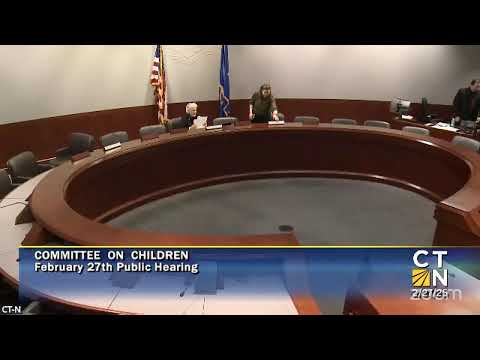
Hartford — Lawmakers and stakeholders debated Senate Bill 1369 on Feb. 27 in a public hearing before the Connecticut General Assembly’s Committee on Children, focusing on proposals to cap family child-care costs at 7% of household income, create a dedicated workforce childcare fund and board, and finance it in part with a 1.5% employer payroll charge.
Hartford — Lawmakers and stakeholders debated Senate Bill 1369 on Feb. 27 in a public hearing before the Connecticut General Assembly’s Committee on Children, focusing on proposals to cap family child-care costs at 7% of household income, create a dedicated workforce childcare fund and board, and finance it in part with a 1.5% employer payroll charge.
The bill’s backers, including child-care providers and advocacy groups, said the measure would make care more affordable for families and raise wages for the early-education workforce. Business groups, unions and some advocates warned the proposed payroll charge is regressive or could drive unintended harms unless the funding design and implementation timeline are changed.
Why it matters: Connecticut faces persistent childcare shortages and high costs that stakeholders say limit parents’ ability to work and suppress the labor force. SB 1369 would create a defined revenue stream for grants to raise pay, fund retention incentives and underwrite facility improvements while capping the share of household income parents pay for care.
Supporters described the bill as a long-term, structural fix. “This workforce childcare bill is an opportunity to address the critical issues that are overwhelming child care here right now and the working families in Connecticut,” said Eva Bermudez Zimmerman, Coalition Director of Child Care for CT. Bermudez Zimmerman pointed to examples in other jurisdictions where dedicated funds were used to raise compensation and expand access: “You have the example of Washington, D.C. … they use that money to pay for raises for their providers.”
Opponents and cautions
Business and nonprofit representatives urged caution about the payroll charge. “CBIA respectfully opposes section 4 of the Senate Bill 1369 … which would impose a 1.5% payroll tax on employers’ expenses,” said Shanna Grasso, a public policy associate with the Connecticut Business & Industry Association. Grasso and other business witnesses said Connecticut’s tax and cost environment already strains employers and small businesses.
Several witnesses representing providers and labor unions asked the committee to change the bill’s sequencing. Daniel Colón, director of the Family Child Care Providers Union at CSEA SEIU Local 2001, testified that the bill as drafted requires wage increases to take effect before grants are available. “This timeline creates a funding gap of up to one year where family childcare providers and educators will be legally required to increase wages before receiving grant funding intended to support those wage increases,” Colón said, adding that the gap could force programs to raise parent fees, cut staff or close.
Policy details and implementation issues
Key programmatic elements discussed at the hearing include: - A 7% cap on eligible families’ childcare costs (SB 1369 text cited by multiple witnesses). - Establishment of a workforce childcare fund and an oversight board to administer grants, wage enhancements and facility-improvement funding. - A proposed 1.5% employer payroll charge to capitalize the fund (section numbers referenced by witnesses during testimony). - Salary enhancement grants and retention incentives intended to raise educator pay and reduce turnover.
Several witnesses urged the legislature to consider alternative revenue sources or guardrails for employers. Connecticut Voices for Children, a research and advocacy group, said it could not support the bill “as read” because it creates a new fund and uses a payroll-based charge that the organization described as regressive and potentially shifting costs to small businesses and consumers.
Providers and advocates repeatedly emphasized a sequencing fix: if wage increases are required, funding must be delivered in a way that allows providers to implement raises without operating shortfalls. “For this bill to work, funding for wage increases must be provided to childcare centers before they increase takes in effect,” said Francesca Velásquez, owner of Play to Learn Center.
Support across labor, provider and business lines
Witnesses were split across sectors. Many providers and parent advocates urged swift action, describing the current system as unsustainable. “The child care system has been broken for decades,” Tara Volpe, director of organizing and strategic partnerships for Child Care for CT, told the committee. Several business owners said they supported the policy goals but urged legislators to refine the revenue approach and to build employer safeguards.
Comparative examples and precedent
Proponents cited other jurisdictions that used dedicated funds to expand access and raise compensation, including New Mexico, Washington, D.C., Portland, Ore., and Vermont, and said those efforts showed long-term economic benefits. Opponents and some analysts urged more detailed modeling of economic impacts before adopting a payroll charge.
What happens next
Members of the Committee on Children held the hearing to gather testimony; no committee vote was recorded during the session. Several witnesses asked that the bill be revised to (a) avoid a funding gap between required wage increases and grant disbursements, (b) consider alternatives to a flat payroll levy, and (c) coordinate with existing early-childhood funds and boards. Lawmakers may amend SB 1369 in response to those concerns before any vote.
Ending note
Supporters called the bill a needed structural fix to a system in crisis, while businesses and some advocates urged reworking the financing and implementation timeline to avoid unintended harm to small employers and the providers the plan seeks to help.