Get Full Government Meeting Transcripts, Videos, & Alerts Forever!
Get email alerts on the Unemployment Insurance Fraud Referrals topic
No spam. Unsubscribe anytime.
Kentucky Senate panel approves process for state unemployment fraud referrals; lawmakers press for protections for claimants
Summary
The Senate Standing Committee on Economic Development, Tourism and Labor voted 8-1 to report Senate Bill 162, which establishes a formal referral process for suspected unemployment-benefit fraud and authorizes temporary suspension of payments while investigations proceed.
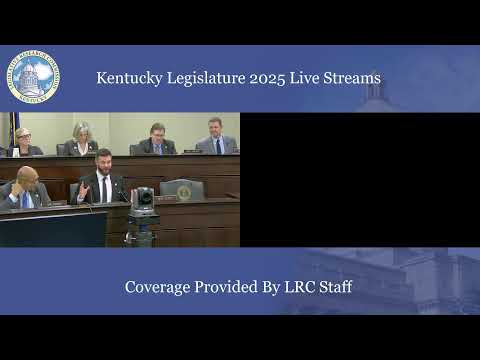
Frankfort — The Senate Standing Committee on Economic Development, Tourism and Labor voted 8-1 to report Senate Bill 162 to the floor, creating a clearer pathway for employees of Kentucky’s unemployment insurance program to refer suspected benefit fraud to law-enforcement or investigative entities and allowing benefits to be suspended while an investigation proceeds.
The bill, introduced in committee by Sen. Shelley Funke Fraumeier, R‑24, and explained at the hearing by Brian Sikma, a visiting fellow at the Foundation for Government Action, also directs the unemployment cabinet to include specific information in referrals such as the claimant’s name, employer, contact information and any records the cabinet holds about the suspected fraud.
Proponents said the change targets smaller-scale fraud that state administrators can detect but that federal enforcement typically will not pursue. "Tens of thousands of dollars here and there do add up," Sikma told the committee, saying over the past three years Kentucky reported roughly $87 million in overpayments or potentially fraudulent claims to the U.S. Department of Labor.
Lawmakers on the committee welcomed the effort to close enforcement gaps but pressed the bill’s sponsors about protections for claimants. "I didn't see a mechanism for those benefits to be paid to the claimant if the investigation shows that there wasn't any fraud," Sen. Danny Carroll Howell (Senator Howell) said, asking to work with the sponsor on an amendment to ensure restitution when investigations find no misconduct.
Sen. Reginald Yates said he was "worried" the bill, as drafted, could shift the burden to vulnerable claimants by suspending benefits immediately upon allegation, creating a "horrific position" for people who rely on the payments while matters are adjudicated. "It almost switches that once the allegation is made, then the individual... would be terminated from receiving any type of unemployment until it [is] switched over," Yates said.
Funke Fraemeier and Sikma responded that the bill does not preclude reinstatement when claims are found valid and that modernization of the state’s adjudication systems has shortened review times in many cases. Sikma said language could be added to limit the suspension period and to ensure benefits are reinstated promptly if a claimant is found eligible.
Sen. Kathy Boswell, who represents a district that reports delays in adjudications, told the committee many constituents still face adjudication backlogs and said the committee should address timing and process improvements in parallel with establishing referral authority.
After discussion the committee adopted the committee substitute and voted to report the bill with a favorable recommendation to the full Senate by an 8‑1 margin. Sen. Yates recorded a no vote and explained he hoped for changes during floor consideration to protect claimants' access to benefits while protecting the integrity of the program.
Votes at a glance: SB 162 (committee substitute) — reported with favorable expression, 8 yes, 1 no; will proceed to the Senate floor.
The committee hearing record shows members asked staff and the sponsor to draft amendment language clarifying that suspended benefits can be reinstated if adjudication determines the claimant was entitled to payments and to consider a narrow, time-limited suspension period. The bill text as discussed requires the unemployment cabinet to include identifying and contact information in referrals but does not specify an exact suspension window in the committee substitute adopted in committee.
If the bill advances, legislators asked the cabinet to prepare guidance on how investigations would interact with existing federal and state adjudication timelines and to clarify procedural safeguards available to claimants during investigations.
— End —