Get Full Government Meeting Transcripts, Videos, & Alerts Forever!
Get email alerts on the Worker Protections Immigration topic
No spam. Unsubscribe anytime.
Bill to bar use of immigration threats to silence workers advances amid enforcement questions
Summary
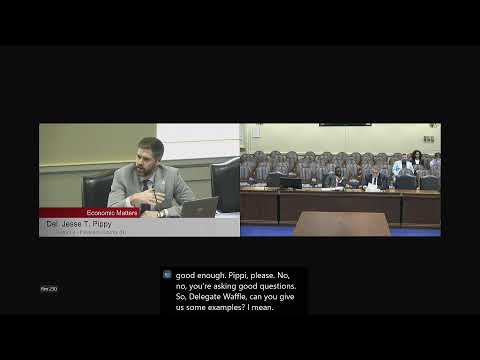
Sponsor Doug Orman and worker‑advocacy groups told the House Economic Matters Committee that House Bill 1476 would bar employers from using immigration status as a tool to intimidate or retaliate against workers who report labor law violations.
Sponsor Doug Orman and advocates testified in support of House Bill 1476, which would prohibit employers from using immigration status as a threat or tool of coercion to deter workers from reporting wage, safety, tax or labor law violations. The bill adds immigration‑status disclosure and immigration‑based threats to the list of protected categories and creates an enforcement path through the Commissioner of Labor and Industry with a mediation‑first approach and graded fines ($1,000 first offense up to $10,000 for repeat violations).
Why it matters: CASA and other worker‑advocacy witnesses said immigrant workers are at heightened risk of exploitation and intimidation, and that explicit statutory protections are needed so workers can report violations without fear of retaliation. CASA’s legal director said the bill builds on last year’s expansion of retaliation protections and would not interfere with federal I‑9 requirements or immigration enforcement; advocates proposed that requests for immigration information beyond employment verification require judicial authorization.
Enforcement questions: Committee members asked practical and legal questions about enforcement when employers are already violating federal law by knowingly employing unauthorized workers. Several members pressed witnesses on why the statute contemplates mediation and whether engaging in mediation with an employer who has violated federal law is appropriate. Witnesses said the mediation‑first model aims to secure worker remedies and preserve jobs while the agency investigates; proponents said the bill’s enforcement provisions remain subject to drafting adjustments and that the bill does not require the agency to shield illegal conduct.
Legal framing: Sponsor and advocates said the bill intentionally avoids interfering with federal immigration enforcement and focuses on preventing employers from weaponizing immigration status to silence complaints about labor violations. They urged that the state enforce labor protections fairly and that the market be allowed to function without unfair competition from employers who intimidate or coerce workers.
Next steps: Supporters asked for a favorable report with technical amendments to clarify enforcement mechanics and interactions with federal law; committee members requested follow‑up on coordination with the Attorney General’s office and with enforcement agencies to ensure the mediation process and penalties will produce timely remedies for workers without undermining criminal enforcement obligations.