Get Full Government Meeting Transcripts, Videos, & Alerts Forever!
Get email alerts on the Transportation Law topic
No spam. Unsubscribe anytime.
Committee passes bill clarifying rideshare companies are not vicariously liable for drivers in most cases
Summary
House substitute clarifies existing law that rideshare drivers are independent contractors and that companies should not face vicarious liability in typical incidents; sponsor and industry representatives said the change removes ambiguity insurers consider when setting premiums.
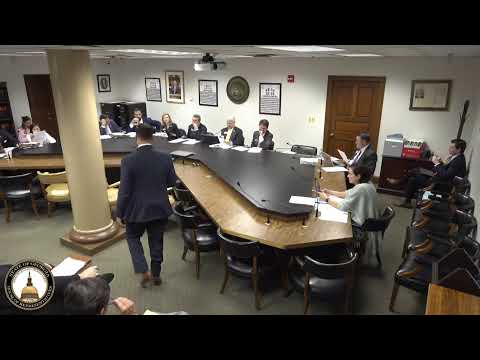
A substitute to House Bill 339 codifying that rideshare network drivers are independent contractors and that vicarious liability should not be imputed to rideshare companies passed the House Judiciary Committee by voice vote.
The sponsor described the measure as largely confirming existing law about independent contractors and rideshare drivers while adding narrowly negotiated exceptions. Industry representatives told the committee the change is intended to eliminate ambiguity that insurance underwriters treat as potential vicarious exposure, which raises premiums and can lead to unnecessary motions in court.
Nick Giuliano of Impact Public Affairs, representing Uber, summarized the industry rationale: “This bill deals with vicarious liability…because under current Georgia law due to our independent contractor statute, there has never been a successful vicarious liability claim against a rideshare company,” he said, adding that codifying the rule removes uncertainty insurers factor into premiums.
Committee members had no recorded amendments to the substitute; the transcript shows a motion to pass, a second, and a voice vote in which the chairman stated the bill passed. No roll‑call tally accompanies the record in the provided transcript.
Sponsors described the bill as a “belt and suspenders” measure—affirming existing protections while clarifying statutory text to reduce litigation costs and insurance uncertainty.