Stoughton School Committee approves $65.26 million FY26 budget, warns of staff cuts and continuing uncertainty
Loading...
Summary
The Stoughton School Committee voted 5-0 on Dec. 30 to approve a $65,257,429 FY2026 budget that increases spending 3.8% but falls short of "level services" funding; district leaders said the plan will require further staff reductions, program trade-offs and rapid adjustments when state House 1 aid figures arrive.
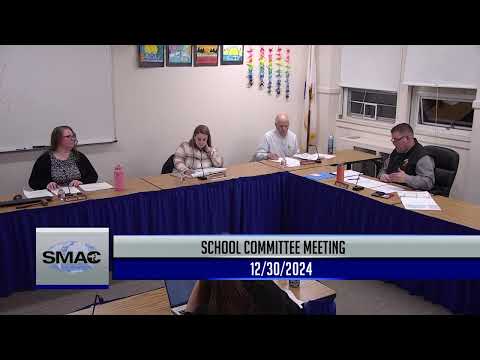
The Stoughton School Committee on Dec. 30 approved a proposed FY2026 operating budget of $65,257,429, a 3.8% increase over the current year, but district leaders warned the number falls short of the level of funding needed to maintain current services and will require additional staff and program reductions unless state aid improves.
Superintendent (name not specified) told the committee the district has already budgeted to move from a starting “level services” percentage of 7.59% down to 5.5% and now must cut further to meet the 3.8% local target adopted by the committee: “Our FTE loss right now, is approximately 29,” the superintendent said. He later clarified that the net FTE loss is currently about 26 after adding one special-education position and two paraprofessionals for a new TLC program at Wilkins Elementary School that will serve 11 students transitioning from preschool.
The budget vote, moved by Lindsey (last name not specified) and seconded by School Committee member Chris Shannon, passed 5-0. The committee chair noted the vote is based on current projections and that the district will revise the plan when the Legislature’s House 1 state-aid numbers and other facts become available.
Why it matters: the approved dollar total does not cover the district’s “level services” cost for FY26, district administrators said. That gap would leave the schools with fewer staff and services than in FY25 unless additional local or state revenue materializes. Committee members and administrators said the district could have to cut roughly 15 positions to reach the adopted 3.8% target, and they pledged to prioritize classroom teachers and federally/state-mandated services if restorations become possible.
Budget details and priorities
Administrators told the committee the FY26 proposal reflects restorations made after last year’s staffing reductions, including kindergarten paraprofessionals, a nurse and late bus service. To reach the 3.8% target the district will seek further non-staff savings, hiring freezes (custodial and administrative assistants were mentioned), and program reductions while avoiding cuts that would violate federal or state mandates.
The superintendent outlined next steps: staff will audit line items starting immediately so the district can respond rapidly when House 1 is released; the administration will produce a budget booklet with an executive summary, enrollment trends, offsets, fee proposals (including transportation), and a Q&A for public posting; and the working group will meet to prioritize restorations and identify incremental scenarios (for example, what an additional 1% would restore).
Discussion and risks
Committee members and administrators highlighted several financial pressures beyond general inflation. They cited transportation contract costs they expect could rise roughly 15%, and out-of-district special-education tuition pressures that administrators estimated might increase about 5% (with individual private placements possibly increasing by roughly $20,000). The district also flagged a drop in Medicaid reimbursement because staff have not completed required service reports; administrators estimated the missed Medicaid revenue could be in the $500,000–$600,000 range.
Members raised concerns about enrollment-driven costs tied to local development and future classroom needs. The superintendent estimated a new K–5 teacher salary commitment in the current market would be in the roughly $65,000 range (budgeted), but recruiting qualified candidates has become more difficult and often requires hiring at higher salary steps than past entry-level rates.
Officials also noted potential obligations under the McKinney-Vento Act for students who become homeless or who live outside town during the school year; the superintendent said the district sometimes shares costs with other municipalities (he cited Quincy as an example) and that those costs can be significant.
Process items and staff notifications
Administrators reminded the committee of a state notice timing requirement for personnel. Unless a local contract specifies an earlier date, employees must be notified of layoffs by June 14, the superintendent said; he suggested the district consider phased notifications beginning in late March or early April if budget projections require it, and noted any such letters could be rescinded if conditions change.
The committee directed the administration to finalize and file the budget materials with municipal leaders and to continue producing the public-facing budget booklet and Q&A. A working-group meeting to begin prioritization was scheduled as an online session, 6:30–7:30 p.m. (date to be posted), so the group can prepare recommendations for the next full committee meeting.
Votes at a glance
The committee approved the FY2026 proposed operating budget of $65,257,429 (3.8% increase) by a recorded voice vote; the motion carried 5-0.
What’s next
District staff said they will complete a line-item review and publish the budget booklet and Q&A ahead of the Legislature’s House 1 release. The committee’s next regular meeting was announced for Tuesday, Jan. 14, at the district offices, 31 Pierce Street.
Attributions
Quotes in this report are taken from the Dec. 30, 2024 Stoughton School Committee special meeting transcript and attributed to the speakers as identified in that record.