Get Full Government Meeting Transcripts, Videos, & Alerts Forever!
Get email alerts on the Public Safety Ems topic
No spam. Unsubscribe anytime.
Resident urges commissioners to prioritize EMS staffing and ambulances after citing long waits and heavy call volume
Summary
A Forsyth County resident told commissioners the county's emergency medical services face staffing shortages, a 20-minute average ambulance wait and an undersized fleet; the board approved ambulance and equipment purchases later in the meeting.
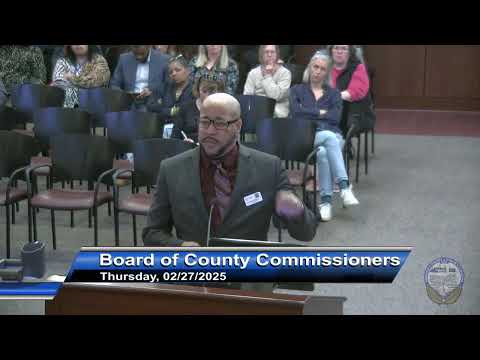
Valerie Brockenbrough, a Forsyth County resident, used the public comment period at the Feb. 27 Forsyth County Board of Commissioners meeting to urge the board to make emergency medical services a top priority.
Brockenbrough told commissioners she is concerned about what she described as understaffing and long response times in the county's EMS system. She said Forsyth County receives about 67,000 calls a year and that the county's reported average ambulance wait time is 20 minutes while the industry standard is 9 minutes. She said the county's current fleet is 28 ambulances and that a county of Forsyth's size should have "at least 40," citing Guilford County's larger fleet as a comparison. Brockenbrough said some EMS staff are overworked, reporting shifts of up to 72 hours.
Brockenbrough noted that the board would consider purchasing an extra ambulance at the meeting and urged commissioners to make investments in EMS staffing and equipment a top priority, even if doing so required raising revenue or redirecting other expenditures.
Board members did not take immediate action during public comment but later in the meeting approved multiple vehicle and ambulance contract awards and the purchase of Stryker power-load systems for Emergency Services; those procurements were approved unanimously.
Why it matters: Brockenbrough's remarks cite operational metrics—call volume, average wait times and fleet size—that relate directly to public safety and ambulance response capacity. The subsequent procurement approvals in the meeting create a near-term path to add equipment and vehicles that county staff can put into service.
What’s next: Implementation of the approved vehicle and equipment contracts and any staffing or deployment changes will be the responsibility of Emergency Services and county administration. The resident called on the board to prioritize recruiting and investment to shorten response times.