Get Full Government Meeting Transcripts, Videos, & Alerts Forever!
Get email alerts on the Early Childhood Education topic
No spam. Unsubscribe anytime.
Smart Start and Pre-K Priority present interim results and expansion plans to Forsyth commissioners
Summary
Smart Start of Forsyth County and Pre-K Priority presented mid-program evaluation and early outcomes for the county's ARPA-funded pre-K initiative, highlighting program outputs, teacher supports and steps needed to expand NC Pre-K slots and quality-rated providers.
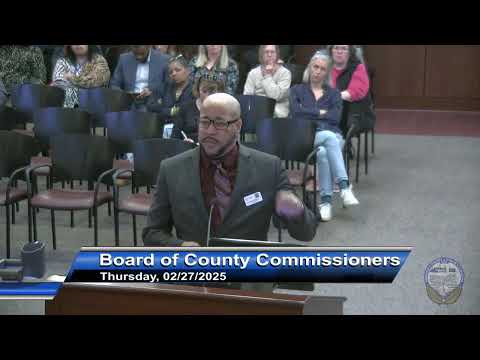
Smart Start of Forsyth County and partners outlined early implementation results and next steps for the county's Pre-K Priority initiative during a Feb. 27 presentation to the Forsyth County Board of Commissioners.
Dr. Louis Finney, CEO of Smart Start of Forsyth County, introduced an update on the initiative and emphasized the countywide coalition structure and private–public partnerships that support early childhood programs.
Prismatic Services, an external evaluator, presented a formative evaluation that characterized the initiative's approach: financial supports for teachers, coaching and professional development, family engagement and a specific focus on equity. Dr. Tasha Prieto of Prismatic said the research literature typically expects 3–5 years to see substantial student-outcome changes after a new educational initiative begins, and she described an "implementation dip" that can occur as staff and systems learn new processes.
Key details reported to the board: - Year 1 (2023–24) served 353 students; midyear of the 2024–25 school year enrollment reported as 301 as of December 2024, with county staff reporting additional enrollments since then. - Teacher retention in 2023–24 matched the raw count of departures in comparable non-ARPA classrooms; midyear 2024–25 retention was reported at 100% as of December 2024. - Classroom-quality measures showed 40% of classrooms averaging high scores on selected quality instruments in year 1; coaches and Smart Start staff have been working to raise quality in other classrooms with further assessments expected at the end of year 2. - Outputs including salary and tuition supports, coaching and professional development were delivered; Smart Start reported that 100% of eligible teachers received salary/tuition supports in both year 1 and year 2 to date. - End-of-year literacy outcomes in year 1 showed about 39% of students at or above average in literacy and 65% at or above average in math; evaluator cautioned that midyear percentages can be variable and student growth is often non-linear.
Leslie Molineux and other Pre-K Priority partners described community outreach, provider recruitment and an ongoing focus on raising the county's share of NC Pre-K slots and quality-rated providers. County officials and presenters discussed that Guilford County and some other jurisdictions have higher NC Pre-K slot counts because of earlier local applications and program growth at the state level; Smart Start and partners said increasing Forsyth's share depends on raising provider quality ratings, identifying funding, and submitting applications to the state when slots are available.
Commissioners asked about midyear enrollment differences between years 1 and 2 and about classroom-level reporting; presenters said some low-enrollment classrooms were removed from the cohort before year 2 to concentrate supports where they would affect more children. They noted that student enrollment for pre-K is rolling across the school year, which complicates direct midyear comparisons to K–12 data where attendance is more static.
Why it matters: the initiative aims to increase access to high-quality pre-K, support the early-childhood workforce and improve kindergarten readiness. Presenters emphasized workforce and long-term economic arguments, noting national and state-level research tying early-childhood investment to workforce stability and economic returns.
What’s next: Smart Start and Pre-K Priority will continue implementation during the 2024–25 year, collect end-of-year student- and classroom-level data, and pursue strategies to increase NC Pre-K slots and quality-rated providers in Forsyth County. The coalition invited commissioners and the public to upcoming community events and a March 6 forum on the business impact of pre-K.