Get Full Government Meeting Transcripts, Videos, & Alerts Forever!
Get email alerts on the Budget topic
No spam. Unsubscribe anytime.
Clinton City Schools board approves December financial report, raises state investment cap to $2 million
Summary
At its meeting, the Clinton City Schools Board approved the district—s December financial report and voted to raise the district—s authorized investment in the Tennessee local government investment pool from $1,000,000 to $2,000,000.
At its meeting, the Clinton City Schools Board approved the district—s December financial report and voted to raise the district—s authorized investment in the Tennessee local government investment pool from $1,000,000 to $2,000,000.
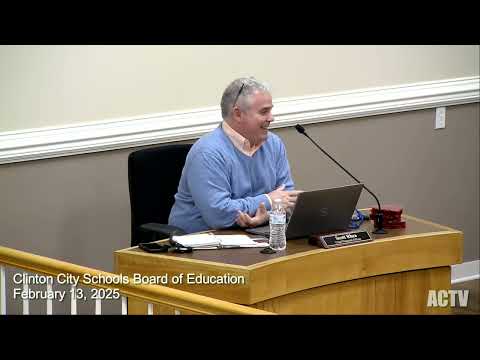
Scott Ray, a district staff member who presented the financial report, told the board the district had budgeted $2,200,000 in property tax revenue but had "only collected 375," explaining that property-tax collections typically ramp up in January through March. Ray said the general purpose school fund showed a December deficit of $295,000 and the Federal Projects fund was about $81,000 in deficit, which he attributed to the timing of reimbursement requests. "We're behind, due to me being a little bit behind, in our reimbursement requests," Ray said, adding that the district was about two months behind on reimbursements and typically aims for 30 to 45 days.
Ray also reported a new revenue account labeled "Disaster Relief," reflecting a FEMA reimbursement. He said the district received a check in December for $48,000 as reimbursement for pandemic-related cleaning supplies and equipment purchased after an application filed in 2021.
On school nutrition, Ray said the program was near breakeven for the reporting period and that USDA commodity deliveries — credited to the district—s nutrition contract — were expected to increase and produce a modest surplus barring major equipment purchases. He cautioned that one-time capital purchases (for example, a $10,000 oven) are expensed in the period purchased.
Separately, Ray reviewed the district—s use of bank deposits and investments. The board had previously authorized staff to deposit surplus cash across a set of banks and to invest up to $1,000,000 in the state-run local government investment pool (LGIP). Ray told the board the district had about $1,068,000 in the pool and asked the board to formally increase the LGIP cap to $2,000,000 and to permit staff to add two more banks (raising the count from four to six) to spread insured deposits and stay within collateral rules. Board members discussed returning the bank-list amendment to a future meeting; Ray said he could bring the additional-bank approvals back at the next meeting.
Board members voted by roll call to approve both the December financial report and the LGIP cap increase. The board chair called for and received no further discussion before each roll call.
The board will receive quarterly updates on the location and balances of deposits and investments, Ray said, and he indicated he will monitor cash flow and bank collateral to keep deposits within insurance and state-collateral limits.
Votes at a glance - Motion: Approve December financial report as presented. Outcome: Approved (roll-call yes votes recorded). Mover/second: not specified in the transcript. - Motion: Increase local government investment pool cap from $1,000,000 to $2,000,000. Outcome: Approved (roll-call yes votes recorded). Mover/second: not specified in the transcript. Banks addition: discussion deferred; staff to return with bank names at a future meeting.
What happened next: After the votes the board moved on to principal reports and other informational items.