Get Full Government Meeting Transcripts, Videos, & Alerts Forever!
Get email alerts on the Juvenile Diversion topic
No spam. Unsubscribe anytime.
Sedgwick County Department of Corrections runs voluntary 12-hour POWER program for lower-risk youth
Summary
Sedgwick County Department of Corrections offers a free, voluntary 12-hour POWER course over four days aimed at lower-risk juveniles to teach conflict resolution, mental-health skills and reduce recidivism, officials said.
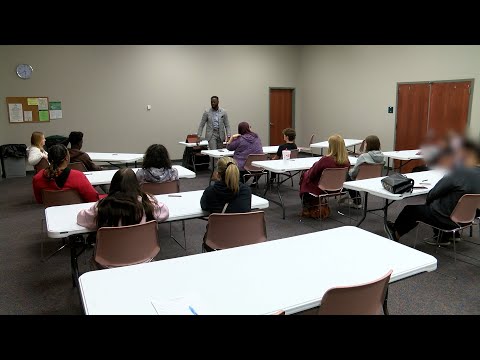
Sedgwick County Department of Corrections is offering a voluntary 12-hour POWER program, delivered across four days, for lower-risk juveniles to teach decision-making, conflict resolution and mental-health skills, a department representative said.
The program, which the department described as free, uses volunteers and mentors from local organizations, including Wichita Public Schools, to present sessions on topics ranging from juvenile intervention to mental-health support. “Even in a broken situation, broken things can be fixed if you put them in the right hands,” Odell Harris, a mentor from Wichita Public Schools, said in recorded remarks about the program.
Organizers said the course is aimed at youths who have been involved in petty or lower-level offenses rather than higher-risk cases. A graduate, Jaden Patterson, said the program helped his relationship with his mother and reinforced choices to avoid criminal behavior. “It made him and me feel like we're not alone in our own little world and our own little struggles,” Patterson said.
A program overview provided in the recording notes volunteer-led classes on mental health, conflict resolution and other topics and characterizes the approach as proactive. The recording states the program is voluntary and that classes are free. Those interested were directed to contact the Sedgwick County Department of Corrections for enrollment information.
The recording did not specify enrollment limits, funding sources, session schedules, or eligibility criteria beyond describing the program as focused on lower-risk juveniles. It also did not identify a named county official beyond the mentor quoted or provide tracking data on outcomes such as recidivism rates.
The POWER program is presented as part of Sedgwick County’s effort to provide alternatives to deeper involvement in the justice system for youths who have committed low-level offenses, using community volunteers and school-district mentors to deliver the curriculum.