Get Full Government Meeting Transcripts, Videos, & Alerts Forever!
Get email alerts on the Unemployment Reemployment Policy topic
No spam. Unsubscribe anytime.
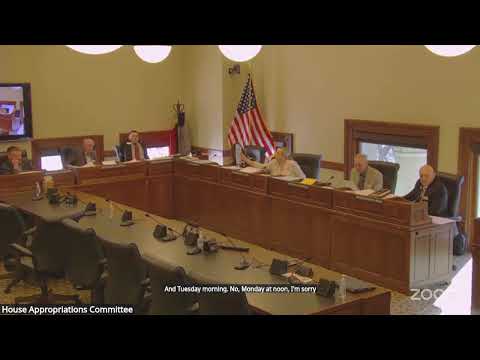
Committee approves change to reemployment-benefit multiplier and one-time appropriation, 6-1
Summary
House Appropriations reported Senate File 175 do pass after debate over reducing the maximum benefit period from 26 weeks to 20 weeks and adding a one-time $18,000 general fund appropriation for administration; proponents said the change would encourage reemployment, while opponents argued the data do not justify a policy change.
The House Appropriations Committee voted to pass Senate File 175, which lowers the maximum weekly benefit multiplier (reducing the potential weeks of benefit) and includes a one-time $18,000 general-fund appropriation for initial administration.
Sponsor and purpose Committee discussion described the bill as intended to motivate reemployment by shortening the maximum period during which insured workers could collect benefits. Committee members debated whether the change addresses an actual workforce problem: Representative Sherwood said the amendment "is based on an opinion and does not align with the workforce data that we have," arguing the state's unemployment account is fiscally strong and existing programs are effective.
Proponents argued that shortening the benefit period would increase the incentive to return to work. Representative Pendergraft, who helped bring the motion, said his experience in business suggested extended benefits sometimes reduce immediate motivation to accept employment.
Appropriation and mechanics The bill includes a one-time general-fund appropriation of $18,000 to implement administrative changes in fiscal year 2026; committee discussion indicated the account funding regular unemployment benefits remains healthy and the appropriation is intended for start-up administration.
Vote and next steps Representative Pendergraft moved the committee report; Representative Aleman seconded. The roll call recorded six aye votes (Aleman, Angelos, Heralton, Pendergraft, Smith, Chairman Bair) and one no vote (Sherwood). The committee reported the bill as passed 6-1 and referred it for further legislative action.