Lifetime Citizen Portal Access — AI Briefings, Alerts & Unlimited Follows
Senate bill to extend balance‑billing protections for mental‑health care returns with technical amendments
Loading...
Summary
Senate Bill 902 would remove a sunset and update the statute that protects people with mental illness and substance‑use disorders from higher costs when forced to seek care out‑of‑network; sponsors said amendments align House language and regulators and carriers offered technical fixes.
Sen. Malcolm Augustine presented Senate Bill 902 on Feb. 26, asking the Senate Finance Committee to remove a sunset and retain protections enacted after the 2022 balance‑billing reform for people seeking mental‑health and substance‑use disorder treatment.
The sponsor said the earlier law that prevented higher out‑of‑pocket costs when patients were forced to receive care out‑of‑network has worked and a sunset would allow the protections to lapse. "This removes that sunset so that it doesn't expire," Augustine said. The bill would also clarify the statute to focus its application specifically on mental‑health and substance‑use disorder services and eliminate a provision that would have required the Maryland Health Care Commission (MHCC) to develop a payment formula—a change sought by carriers to reduce administrative burden.
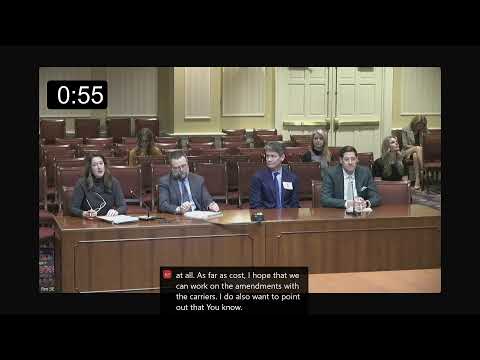
Advocates described personal experiences showing how the law helped patients access needed care. Laura Mitchell, a caregiver, said the 2022 protection allowed her granddaughter to see an out‑of‑network provider who treated multifaceted needs and prevented further crises. Disability Rights Maryland and the Maryland Parity Coalition also backed the bill, arguing the changes build on lessons learned since 2022 and that technical amendments produced consensus among carriers and regulators. The Maryland Insurance Administration and industry representatives testified they worked with proponents on tightened language and urged support of the amended bill.
Sponsor Augustine and proponents asked the committee for a favorable report. Committee members asked whether the changes addressed earlier concerns and were told the amendments conform the Senate bill to House language agreed earlier in the session. The hearing concluded with proponents urging final passage; the committee did not take a vote during the hearing.