Get Full Government Meeting Transcripts, Videos, & Alerts Forever!
Get email alerts on the Mugshot Privacy topic
No spam. Unsubscribe anytime.
Subcommittee adopts booking‑photo privacy substitute after testimony from survivors, press and civil‑liberties groups
Summary
A substitute measure would limit publication of booking photographs (mugshots) for people not convicted and create a removal process and penalties for sites that charge for taking images down; supporters said it addresses exploitative 'pay-to-remove' businesses.
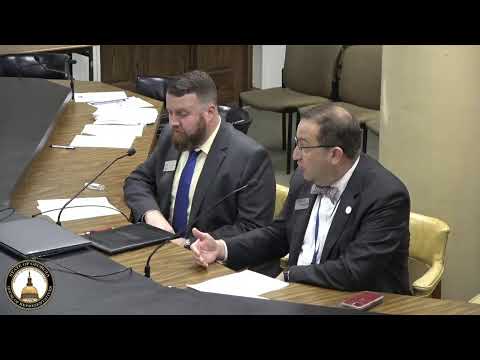
The Judiciary Noncivil subcommittee approved a substitute for House Bill 10, the Georgia Booking Photo Privacy Protection Act, after testimony from victims, media groups and civil‑liberties advocates about the harms of publicly searchable booking photographs long after charges are dropped.
What the substitute does: The LC481250S language adopted by the panel restricts public posting and commercial exploitation of booking photographs for people who are not convicted of the underlying offense, and sets a process for removal including penalties for commercial sites that demand payment to take down images. The substitute was presented to the committee as a balance between press access for newsworthy arrests and protections against exploitative removal-for-fee businesses.
Voices at the hearing: Multiple witnesses addressed the bill’s human impact. Carl, an engineer, described how a publicly available mugshot from an arrest — before any conviction — blocked him from a job referral and consumed his savings; he urged passage so others will not be forced to pay to reclaim their reputations. Representative Scott framed the bill as protecting innocent people’s ability to move on after an arrest.
At the same time, the Georgia Press Association cautioned the committee that legitimate news organizations sometimes have a public-interest need to publish booking photos (for example, an escaped defendant or an arrest of an elected official). The association asked that the substitute preserve narrow news‑reporting exceptions for legitimate media outlets, and committee members adopted language to that effect.
Civil‑liberties groups including the ACLU noted other states have enacted similar measures and said the substitute language strikes a workable balance between First Amendment concerns and the real economic and reputational harms wrought by commercial mugshot sites.
Vote and next steps: Members adopted an amendment replacing the sponsor’s original text with substitute language modeled on bills from prior sessions and voted to report the measure do pass to the full committee.
Ending: The subcommittee advanced the bill with instructions for staff to ensure limited media exceptions for clearly newsworthy, public‑safety cases and to finalize enforcement and penalty provisions.