Get Full Government Meeting Transcripts, Videos, & Alerts Forever!
Get email alerts on the Retail Theft Gift Cards topic
No spam. Unsubscribe anytime.
Legislation creates new offenses for organized gift-card tampering and fraud, panel approves with amendments
Summary
The substitute would criminalize possession and tampering of stolen gift cards and set penalties keyed to face value; retailers and payments firms testified in favor, prosecutors urged stiffer penalties for repeat offenders.
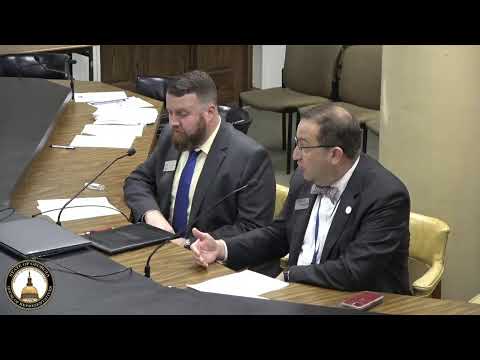
The Judiciary Noncivil subcommittee approved a bill creating new offenses for gift-card tampering and related conduct after testimony from retailers, payments providers and prosecutors that organized criminal groups are increasingly exploiting packaged gift cards.
What the bill does: The LC280681S substitute defines and criminalizes several gift-card-specific acts — acquiring or possessing stolen gift-card redemption data with intent to defraud; tampering with packaging or codes to mislead consumers; and using deception to obtain gift cards — and establishes penalties tied to the cards’ monetary face value. The sponsor said the measure closes a gap in existing statutes that prosecutors say do not fit the modern mechanics of this offense.
Why it matters: Witnesses described a pattern in which criminal groups remove gift-card packaging, harvest PINs or bar codes at a remote site, reseal the packages, and then either check balances programmatically and drain funds once the cards are activated at retail points, or use the data via digital wallets and resell expensive merchandise. Ben Bryant, vice president and senior counsel at a payments firm, and Ben Cowher of the Georgia Retailers Association testified the activity is often organized, uses warehousing and technical methods, and causes large aggregate losses.
Prosecutorial view and penalties: A prosecutor representing the prosecutors’ council told members that drafting should allow escalating penalties for repeat offenses so prosecutors can use tools such as racketeering or asset forfeiture when appropriate. He urged that a first offense be a misdemeanor for a small monetary threshold, but that repeated or high‑value theft be felony conduct. The sponsor and supporters signaled openness to technical fixes and to making second-or-subsequent offenses subject to elevated penalties.
Vote and next steps: The committee adopted the bill with a floor amendment and voted to report it do pass. Committee counsel and stakeholders agreed to continue technical drafting on valuation and the interaction with existing financial-transaction statutes.
Ending: The bill moves to the full committee; sponsors and prosecutors will work on sentencing thresholds and on preventing unintended duplication with existing financial-fraud laws.