Get Full Government Meeting Transcripts, Videos, & Alerts Forever!
Get email alerts on the Resentencing Coerced Crimes topic
No spam. Unsubscribe anytime.
Bill to allow resentencing for people coerced into crimes advances in Judiciary subcommittee
Summary
The subcommittee advanced a substitute to let judges reduce sentences when a person proves coercion or severe abuse substantially contributed to the offense, with proponents focusing on survivors of domestic violence.
A substitute bill to give people convicted of crimes after coercion — particularly survivors of domestic or intimate-partner violence — a path to resentencing won subcommittee approval after testimony from legal advocates, a judge and victims’ family members.
What the bill would do: The LC492281S substitute would let a defendant present evidence that coercion substantially contributed to the offense and allow a judge discretion to reduce sentence if the court finds the evidence persuasive. The proposal is focused on sentencing relief rather than reopening guilt determinations, though sponsors said the broader statutory framework could later address justification defenses.
Nut graf: Supporters said existing criminal procedures often fail to surface evidence of systematic abuse and coercion; advocates argued the measure will give judges a tool to correct sentences imposed decades ago when courts and juries did not adequately account for domestic‑violence dynamics.
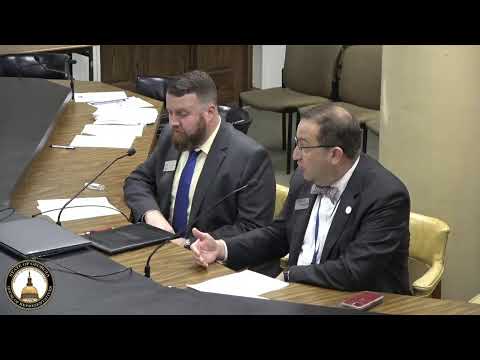
Advocates and experts who testified — including Ellie Williams, legal director of the Justice for Incarcerated Survivors program at the Georgia Coalition Against Domestic Violence — described the bill as narrowly tailored to address a documented problem. Williams said research shows that survivors’ stories often are not effectively considered at trial or sentencing and that other states have adopted similar mechanisms. She cited New York, Oklahoma and other jurisdictions that have enacted resentencing statutes and reported manageable petition volumes.
Survivors’ family members gave emotional testimony. Donna McMillan described her daughter’s decades‑long incarceration for a homicide rooted, she said, in prolonged domestic abuse and urged the committee to give survivors a realistic path to review. "We are not alone," McMillan said, describing physical and chemical evidence she said supported her daughter’s claims.
Prosecutors’ representatives and others signaled willingness to work on language. Witnesses described safeguards the substitute includes: an initial evidentiary threshold to filter frivolous petitions, possible prosecutorial screening to identify meritorious cases, and judicial discretion to deny relief with stated reasons.
Vote and next steps: The subcommittee approved the substitute and voted "do pass" to send the measure to the full committee. Proponents said they would continue to refine evidentiary standards and procedural safeguards with prosecutors and judges.
Ending: The bill advances with bipartisan discussion of scope and safeguards. Supporters urged follow-up drafting to ensure courts receive a manageable, well-defined process for evaluating coercion-based resentencing petitions.