Get Full Government Meeting Transcripts, Videos, & Alerts Forever!
Get email alerts on the Professional Licensing topic
No spam. Unsubscribe anytime.
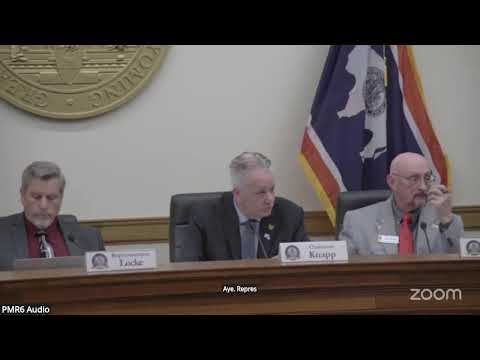
Committee approves Physical Therapy Licensure Compact; bill streamlines multistate practice
Summary
Senate File 172 passed the committee to enable Wyoming to join the Physical Therapy Licensure Compact, allowing licensed therapists from compact states to practice in Wyoming via a compact privilege rather than a separate Wyoming license; the vote was 6 ayes, 3 nos.
The Corporations, Elections & Political Subdivisions Committee approved Senate File 172 to allow Wyoming to join the interstate Physical Therapy Licensure Compact. The committee recorded a roll‑call outcome in which the measure passed (tally: 6 ayes, 3 nos).
Supporters said the compact reduces regulatory barriers for physical therapists who move between compact member states or provide services across state lines, streamlining licensure with a single compact privilege and a nominal fee rather than a full new state license. The presenter said the compact already counts 38 member states and that Wyoming’s board would retain authority to enforce professional standards and discipline licensees practicing in the state. "The licensing board for the state still has to go out there and enforce all the standards," the sponsor said.
Skeptics raised concerns from licensed practitioners about potential fee shifts and competitive impacts. Minority Leader Yin relayed survey results mentioned by a local practitioner — 27 of 300 chapter members responded in favor — and asked whether out‑of‑state compact privilege holders would stop paying Wyoming license fees. Sponsor testimony said out‑of‑state clinicians typically pay a compact fee in their home state and that administration by the state board should be feasible.
Committee members questioned whether the compact addresses rural shortages and whether state boards can administer compact rules without major changes. Department and board staff indicated they could administer the compact though some administrative details and fee structures vary by state. The committee advanced the bill with the recorded vote; no floor amendments were adopted in committee.