Get Full Government Meeting Transcripts, Videos, & Alerts Forever!
Get email alerts on the County Budget topic
No spam. Unsubscribe anytime.
Williamson County lays out five-year budget framework, flags ARPA-funded hires and major capital costs
Summary
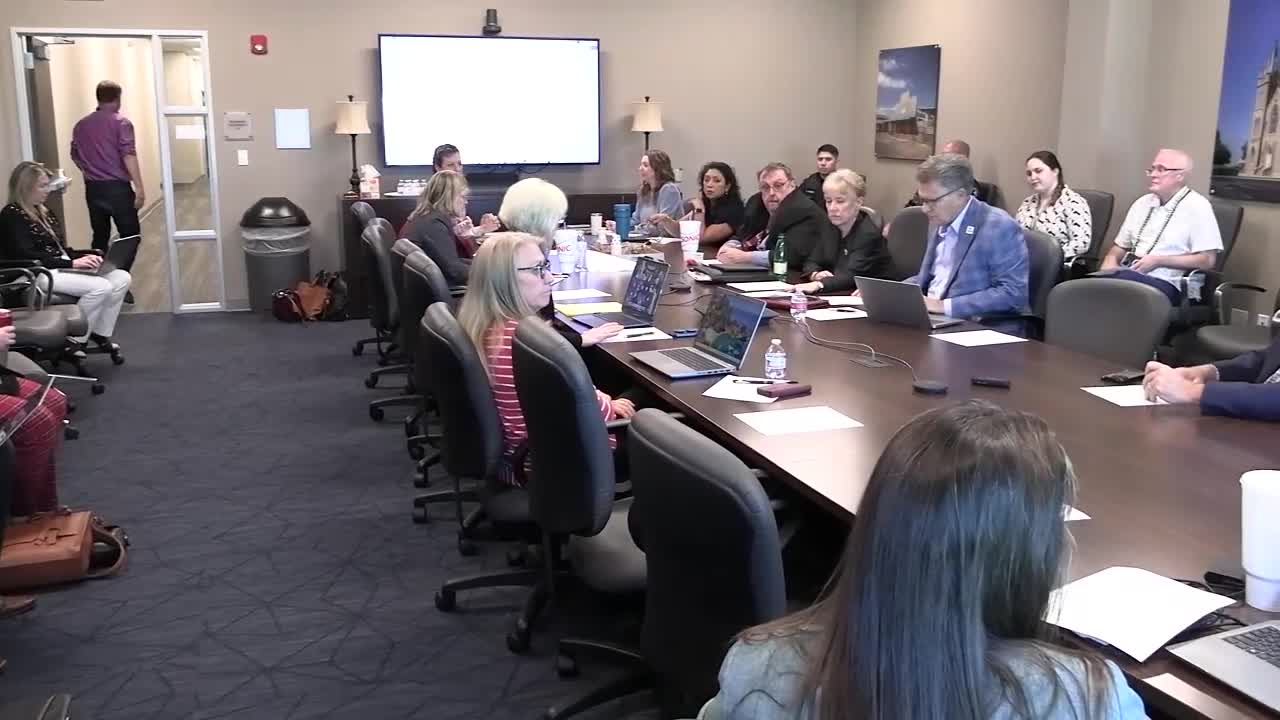
Williamson County Judge Bill Gravell and budget staff presented a five‑year rolling budget at a county budget workshop, proposing to absorb 13 ARPA‑funded positions into the general fund and outlining placeholders for a new district court, EMS stations, equipment replacements and multi‑year radio and capital projects.
Williamson County Judge Bill Gravell and budget staff presented a five-year rolling budget at a county budget workshop, highlighting plans to absorb 13 positions currently paid with federal American Rescue Plan Act (ARPA) funds, budget for a newly authorized district court and its staff, and fund several capital and equipment replacements.
The county’s budget office described a baseline scenario that includes a 2 percent cost‑of‑living placeholder and a 3 percent merit placeholder, while warning those are planning assumptions, not final commitments. “This is for us to develop a 5 year budget. That does not mean that these things will indeed happen,” a budget presenter said.
Why it matters: the draft plan links staffing, equipment and capital choices to the county’s fund balance and debt strategy. Officials discussed whether to use cash reserves to pay for one‑time items—such as parts of a radio replacement program, EMS vehicles and headquarters building startup costs—or to finance projects with bonds, and how that would affect the county’s tax rate and long‑term debt service.
Key figures and items discussed - ARPA positions: The county identified 13 FTEs currently paid with ARPA funds that could be absorbed into the general fund; salary and fringe for those positions was estimated at about $1,500,000 annually if absorbed. - New district court: Budget placeholders include roughly 15 FTEs tied to a newly authorized district court (judge, senior court administrator, reporter, bailiffs, court specialist and DA staff). - EMS stations and personnel: A new Leander EMS station was shown as a 2026 placeholder, with additional stations in later years; personnel costs for a new station were estimated in the hundreds of thousands of dollars, and operations for a station were projected around $829,000 for first-year operating costs. - Cardiac monitors: The county expects to replace 35 cardiac monitors next year at about $43,000 each—roughly $1,500,000 total. - Radio replacement: County‑only radios were estimated at about $11.4–$11.5 million over a multi‑year replacement cycle; Phase 1 (sheriff’s office) was cited at roughly $4.2 million next year. County staff clarified they removed Road & Bridge, Fleet and other external entities from that county‑only total before presenting the figure. - WCCF payment: The county budgeter flagged an increase to the Williamson County Conservation Fund (WCCF) payment of approximately $7.8 million in the coming year, representing a large year‑over‑year change compared with recent budget assumptions. - Lake Creek purchase and other one‑time items: Officials noted an $18 million use of reserves this year for the Lake Creek property purchase and an additional roughly $4.4 million set aside for right‑of‑way or CIP purposes—amounts that were not rolled into the 2026 baseline transfer to capital projects. - County fund balance: County Judge Gravell said the county’s general‑fund balance as of September 2024 was $237,606,803; after applying a 35 percent disaster reserve and previously committed CIP amounts, he said the uncommitted available fund balance was about $57,000,000.
Discussion highlights Budget staff emphasized the draft is conservative and that many items are placeholders subject to change. Officials debated whether to sell park bonds (the presentation referenced a $25 million tranche for parkland and a larger park funding envelope that could be partially delayed), phase in equipment replacement schedules, or use cash reserves to reduce future debt service.
On capital projects, departments were asked to provide cash‑flow schedules for multi‑year projects so the transfer to capital projects line would reflect next‑year cash needs rather than full project costs. County staff acknowledged some departments had not yet provided cash‑flow breakdowns.
Debt and cash strategy Court members and financial staff discussed multiple ways to fund major projects including a potential criminal justice campus. Staff described bonding scenarios, tax‑rate impacts and options to layer defeasance or refundings with new money issues to limit separate bond sale costs. The county’s model included conservative assumed appraisal growth (7 percent early years dropping to 3 percent in later years) and contemplated selling portions of future bond packages in staged years to match cash needs.
Public‑safety and criminal justice needs Elected officials and staff repeatedly returned to public safety needs, noting growth in serious violent crime and rising jail case complexity. Court members discussed adding personnel in law enforcement and corrections tied to both new facilities and ongoing population growth; they also discussed training and phased hiring if statutory or legislative timelines for a new court require staff sooner than facilities are ready.
What’s next County staff asked departments to finalize CIP costing and cash‑flow by April 1 and indicated additional workshops and reviews before the court adopts a FY2026 budget. Commissioners asked staff to return a detailed list of all county fund balances, the obligations tied to each, and proposed parameters for any recommended use of reserves so the court can weigh cash versus debt decisions.
Ending Officials framed the workshop as an early, conservative planning exercise to identify tradeoffs between paying cash for one‑time costs and issuing debt for long‑lived assets. “I wanna see us as a court whittle that down,” Judge Bill Gravell said of available reserves, noting the court would weigh the timing and method of financing for major projects as the process continues.