Get Full Government Meeting Transcripts, Videos, & Alerts Forever!
Get email alerts on the Water Infrastructure topic
No spam. Unsubscribe anytime.
Preliminary HNTB review finds power-transfer failures behind Richmond water plant outage; city outlines equipment, staffing and SOP changes
Summary
A preliminary review by HNTB concluded the Richmond water treatment plant’s nearly 36-hour outage stemmed from a bus-tie power-transfer failure and operational gaps; city staff said they will shift the plant to a summer-mode configuration, expand SOPs and pursue equipment upgrades including an automatic transfer switch for the backup generator.
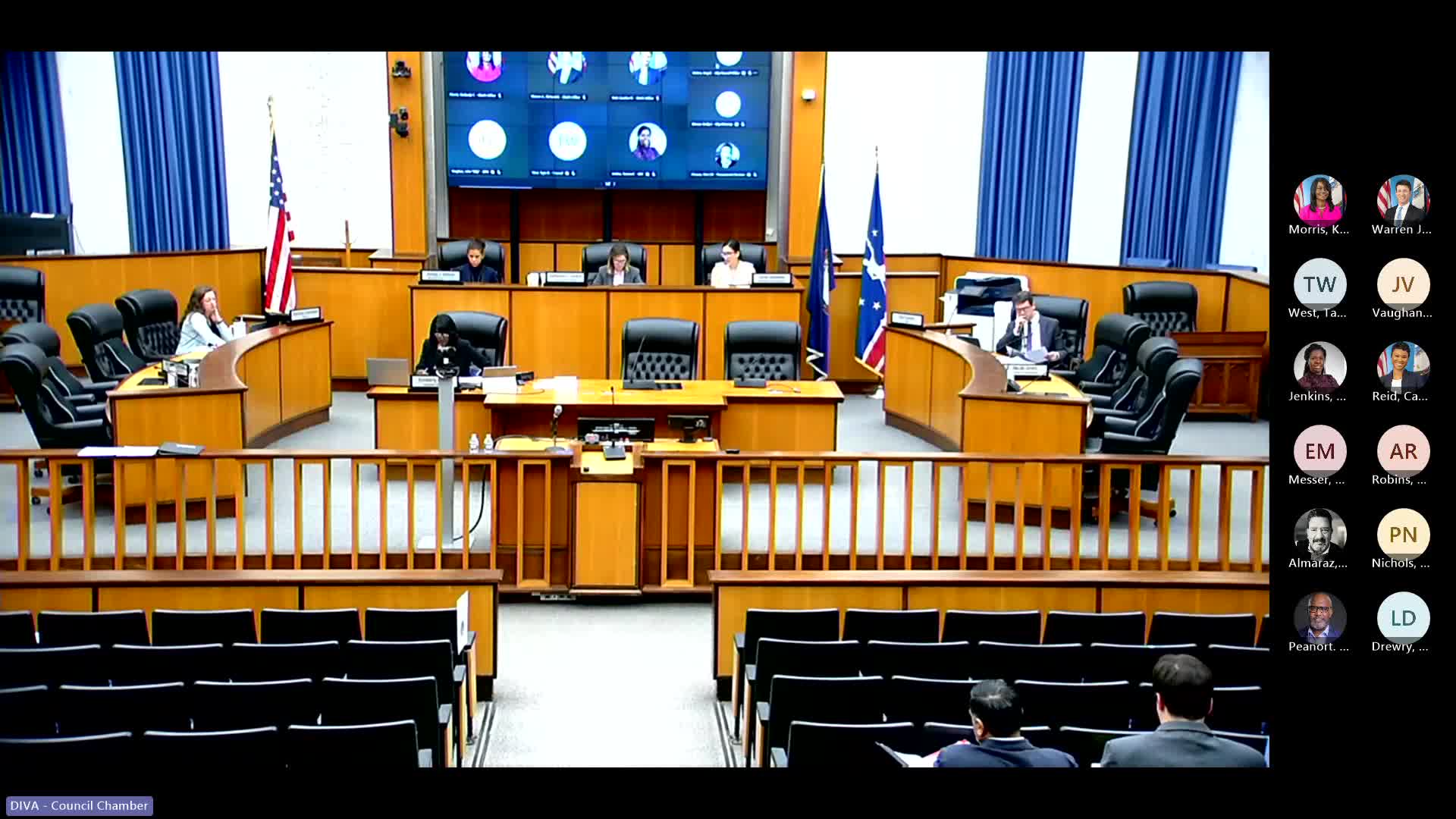
A preliminary review by engineering consultant HNTB concluded the Richmond water treatment plant suffered a complete loss of power after a bus-tie failure prevented transfer from the primary feed to the secondary feed, hitting the plant’s winter-mode configuration and contributing to a nearly 36-hour outage, consultants told the Governmental Operations Standing Committee.
That finding, delivered during a committee presentation, said the plant’s effluent valves were not closed by the site’s uninterrupted power supply and on-site diesel pumps were insufficient to prevent basement flooding that damaged equipment. “The water treatment plant experienced a complete loss of power,” the HNTB presenter said during the meeting.
Why this matters: Committee members pressed city staff about why the plant had been operating in a “winter mode” that HNTB said left the facility with a single point of failure. Staff told the panel the utility will operate the plant in a “summer mode” going forward to provide built-in redundancy and reduce the risk that a single component failure will cut power to the whole plant.
The preliminary report and the city’s staff presentation listed several near-term and medium-term remedies. Recommendations summarized to the committee included developing a bus-tie failure plan, installing filter effluent-valve UPS units with a minimum one-hour runtime, installing and testing supervisory control and data acquisition UPS capacity, updating about 53 standard operating procedures (SOPs) and conducting routine staff training, expanding emergency operation plans, raising vulnerable electrical systems out of basements where practical, and adding an automatic transfer switch for the backup generator.
City timeline and staffing: Interim Director (now permanent) Anthony Scott Morris told the committee the generator/automatic-transfer-switch project is already underway and is projected for substantial completion by November 2025. Morris said the utility’s typical staffing is three operators per shift and DPU is reviewing staffing plans to increase to four operators per shift as a redundancy measure.
SOPs and training: The utility said it is revising SOPs and will roll out roughly 53 updated procedures over the coming months. “We are going to be doing multiple training exercises a year going forward,” the presenter said, describing plans for tabletop and field tests to build staff “muscle memory” for emergencies.
Reporting and follow-up: HNTB provided a preliminary report to the city and staff said an interim report was expected within roughly a week and a final report within about a month. City staff said HNTB has been given access to staff interviews, FOIA-produced documents and as-built drawings and that the consultants had requested and received additional documents used in the preliminary analysis.
Costs and documentation: Council members asked when the public would receive an itemized accounting of expenses tied to the outage and subsequent repairs. City staff said some project costs are still being incurred and estimated an interim financial summary could be provided in April 2025 with a more complete accounting by November 2025, after the generator and valve actuator projects are complete. At a recent council meeting the mayor had cited roughly $5,000,000 in anticipated spend related to some aspects of the response; staff characterized that figure as an estimate tied to project planning rather than a final tally.
Regulatory and systemic questions: Council members raised broader questions about whether the outage was preventable and whether past recommendations—such as those from a 2022 EPA review—had been implemented. Staff told the committee that many items identified in earlier reports had been addressed, were underway, or had been planned for future projects, but staff did not claim every past recommendation had been fully closed.
Next steps: Committee members requested that HNTB and utility staff return with more detailed interim findings and a schedule for implementation and costs. Staff also committed to continuing SOP rollouts, annual field testing of UPS systems and to operating the plant in summer mode to retain redundant feeds.
Provenance: The account above is drawn from the HNTB presentation and the committee’s subsequent Q&A and staff updates delivered during the Governmental Operations Standing Committee meeting.