Get Full Government Meeting Transcripts, Videos, & Alerts Forever!
Georgia DHS commissioner outlines child-welfare reforms, hoteling reduction and new Special Victims Unit
Summary
Department of Human Services Commissioner Rose told the Judiciary Committee that the state has reduced use of hotels to house children in foster care, launched new data and placement tools, expanded legal supports and created a Special Victims Unit to recover missing and exploited foster children.
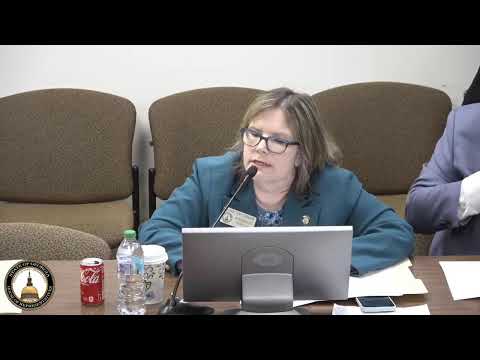
Department of Human Services Commissioner Rose told the Judiciary Committee on May 20 that Georgia has made measurable progress on multiple fronts in child welfare while continuing to face staffing, placement and trafficking challenges.
Rose, who described Division of Family and Children Services (DFACS) as the agency’s largest division with about 7,000 employees, summarized intake and investigation procedures, technology upgrades, placement reforms and a newly formed Special Victims Unit (SVU) that works with law enforcement on missing and commercially exploited foster children.
"Under Georgia's mandated reporting law, teachers, police officers, school officials, doctors, nurses, foster parents, our staff, and others are required to report suspected child abuse," Rose said. She described the centralized CPS hotline — which staff call "Kick" — and the agency’s case management system, Shines. Rose said Kick received 149,786 calls last fiscal year, producing nearly 23,000 reports of suspected child abuse, and that Kick staff average about 800 calls per day.
Rose described the intake process and the distinction between a screened-in case that becomes a child-protective-services investigation and a screened-out intake that can still prompt outreach and referrals. "Many people believe a screen out means that DFACS does nothing, but now you know that is inaccurate," she said.
Why it matters: Rose said Georgia has substantially reduced the number of children placed temporarily in hotels — a practice known as "hoteling" — by coordinating emergency funding, negotiating specialized rates with providers, and launching…
Already have an account? Log in
Subscribe to keep reading
Unlock the rest of this article — and every article on Citizen Portal.
- Unlimited articles
- AI-powered breakdowns of topics, speakers, decisions, and budgets
- Instant alerts when your location has a new meeting
- Follow topics and more locations
- 1,000 AI Insights / month, plus AI Chat