Get Full Government Meeting Transcripts, Videos, & Alerts Forever!
Georgia House passes package of bills on veterans, transport, environment and elections; SAFE Act draws dissent
Summary
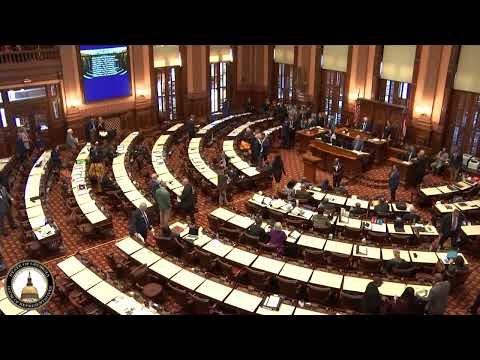
The Georgia House on Feb. 26 passed a broad set of bills that lawmakers said touch public safety, rural economies and emerging transportation technology, while one measure to regulate private companies that help veterans pursue disability claims drew notable dissent and a minority report.
The Georgia House on Feb. 26 passed a broad set of bills that lawmakers said touch public safety, rural economies and emerging transportation technology, while one measure to regulate private companies that help veterans pursue disability claims drew notable dissent and a minority report.
The most contested measure, House Bill 108 — the Safeguard American Veterans Empowerment Act (the SAFE Act) — was approved after extended debate and a recorded vote (yeas 58, nays 10). Sponsor Representative Bonner said the bill would “create a regulatory environment in Georgia that gives veterans an opportunity to obtain their benefits faster,” and the bill sets guardrails for private claims consultants: contingency-only fees, a fee cap tied to a veteran’s monthly gain, a prohibition on promises of guaranteed outcomes, background checks and limits on foreign call-center operations.
Other bills enacted during the floor session included measures to give state agencies new tools against abandoned vessels on Georgia waters (House Bill 115), allow limited operation and special tax treatment for imported ‘‘mini’’ trucks more than 25 years old on local roads (House Bill 308), authorize definitions and local siting authority for vertiports to support short air-taxi flights (House Bill 156), and expand a loan-forgiveness program aimed at attracting large-animal veterinarians to rural counties (House Bill 172).
Why it matters: collectively the votes touch residents’ daily lives — from waterfront cleanup and public-safety enforcement to rural workforce shortages, transportation options and how veterans access federal benefits. Several measures are primarily technical or symbolic but could have local economic impact, and the SAFE Act drew the session’s sharpest policy debate.
What lawmakers said and key details
• Abandoned vessels (House Bill 115): Representative Petrie, sponsor of the measure on behalf of the Game, Fish and Parks committee, said the state currently has “about a 59 abandoned vessels on the Georgia Coast” and about 38 on inland lakes; DNR lacks clear enforcement tools. The bill creates a path for identifying owners, verifies whether vessels are stolen, and creates misdemeanor penalties and administrative consequences (including potential revocation of vessel or fishing licenses) to deter abandonment. Petrie told the chamber that removal costs run “anywhere from $32,000 to $42,000,” costs that fall to taxpayers when vessels are left in state waters. The bill passed on a roll-call vote, yeas 164, nays 0.
• Veterans’ claim consultants (House Bill…
Already have an account? Log in
Subscribe to keep reading
Unlock the rest of this article — and every article on Citizen Portal.
- Unlimited articles
- AI-powered breakdowns of topics, speakers, decisions, and budgets
- Instant alerts when your location has a new meeting
- Follow topics and more locations
- 1,000 AI Insights / month, plus AI Chat