Get Full Government Meeting Transcripts, Videos, & Alerts Forever!
Get email alerts on the Agriculture Funding topic
No spam. Unsubscribe anytime.
Department of Agriculture seeks federal farm-recovery grant while trimming some state programs
Summary
Connecticut Department of Agriculture officials told the Appropriations subcommittee they are pursuing a multistate USDA farm recovery grant created in a federal continuing resolution, while the agencyproposed state budget cuts two farm-to-school and nutrition line items.
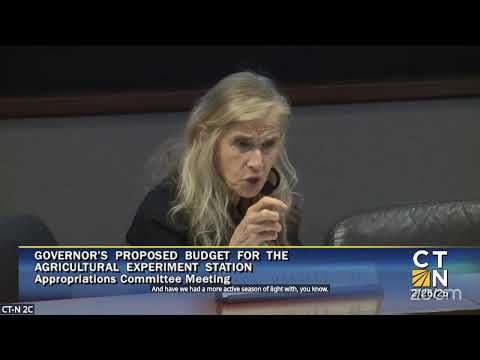
CONNECTICUT — The commissioner of the Connecticut Department of Agriculture told the Appropriations CommitteeConservation & Development Subcommittee on March 12 that the agency is pursuing federal farm recovery money included in a recent continuing resolution while facing state-level spending cuts that scale back two farm-support programs.
The commissioner said USDA set up a multistate Farm Resource/Farm Recovery and Support Program in the continuing resolution passed in December and that the department is preparing Connecticutto apply. "Our congressional delegation was instrumental, and including a 228,000,000, farm resource farm recovery and support program," the commissioner said. He later described the pool as roughly $220 million and said Connecticut requested $85 million; USDA had reported roughly $443 million in requests, with about $320 million coming from New England, he added.
Why it matters: State agriculture officials said the federal grant could provide direct relief to farmers who lost crops or livestock to weather, disease and other events since 2023. At the same time the department is making state-level cuts to meet the governors budget targets, drawing scrutiny from legislators who pressed officials about effects on farmers and food programs.
Most important details
- Federal relief: The commissioner described the USDA program as multistate, with Connecticut preparing to apply for an allocation. "If we have a nonnegative, result, the sample is then sent to Ames overnight, for confirmation," the commissioner said when explaining how the department uses the UConn Veterinary Diagnostic Lab for animal disease testing and then works with USDA for confirmation and national program testing.
- Eligibility and scope: The commissioner said the state plans to interpret eligibility broadly if USDA approves, including crops, tree fruit, aquaculture and small farms. He told the panel eligibility would include holders of state farmer tax-exempt permits, filers who use Schedule F, and some new and beginning farmers who can document their operations.
- State budget cuts: The departments budget proposal reduces or eliminates two state initiatives lawmakers had funded earlier: the Connecticut Grown for Connecticut Kids grant (a farm-to-school/programming pot) and a supplemental food voucher line that supports seniors and WIC participants at farmers markets. The commissioner said those cuts were part of agency-wide reductions asked by the governor to meet fiscal targets.
What legislators pressed on
Senators and representatives asked whether the federal grant money is available now and how quickly Connecticut can receive awards. The commissioner said USDA had not yet finalized allocations when he spoke and that the states request would be negotiated with USDA if and when the agency awards funds.
Lawmakers also asked about two programs reduced in the governors budget: Connecticut Grown for Connecticut Kids and the state supplemental food voucher program. The commissioner said the programs had shown demand and results but that the agency prioritized cuts to minimize impacts on higher-need animal health and regulatory programs. On the farmers market nutrition program, the commissioner noted an operational change from paper vouchers to a debit-card model and said the department expects to spend down allocated funds given improved redemption rates.
Background and next steps
The department said it had submitted its application materials and was meeting with USDA staff. The commissioner also referenced the Connecticut Veterinary Diagnostic Medical Lab at the University of Connecticut as a regional, high-level testing partner for animal disease surveillance and for samples that require federal confirmation in Ames, Iowa. Agency staff said they would continue outreach to farmers, provide application FAQs, and brief the legislature on any award and program criteria USDA sets.
Ending: The subcommittee asked the department to provide lists of prior grant recipients for the farm-to-school grants and to report back to the working group on the federal grant application and on any local impacts from the state program cuts.