Get Full Government Meeting Transcripts, Videos, & Alerts Forever!
Get email alerts on the Water And Sewer Rates topic
No spam. Unsubscribe anytime.
DeKalb commissioners approve 10% annual water, sewer rate increases for 10 years with new affordability safeguards
Summary
After months of hearings and public input, the DeKalb County Board of Commissioners voted 5–2 to adopt a plan of 10% annual water and sewer rate increases for 10 years to fund system repairs and consent-decree work, while also approving a package of customer protections to reduce harm to low-income and vulnerable residents.
DeKalb County officials on Tuesday adopted a rate plan that raises water and sewer charges by 10% per year for 10 years, 2025–2034, to finance repairs, debt service and capital work across the county’s water and sewer system.
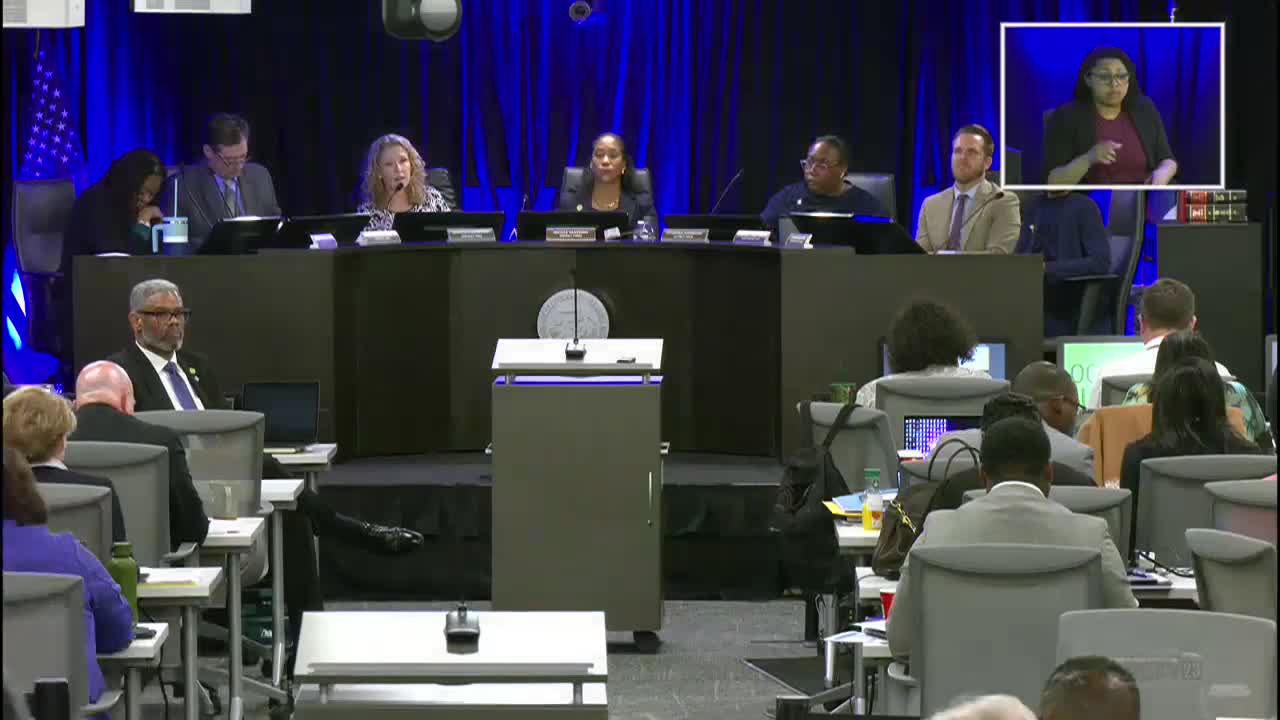
The Board of Commissioners voted 5–2 to approve the “10-by-10” plan after several hours of public comment, committee hearings and a parallel vote earlier in the meeting to add consumer protections and support programs for residents who may struggle with higher bills.
Why it matters: County leaders say the increase will allow DeKalb to catch up on decades of underinvestment, replace aging pipes, fund improvements required under a federal consent decree and expand capacity in underserved areas. Supporters said delaying the work would risk higher costs and more system failures later.
What the board approved: The adopted resolution authorizes an annual 10% rate adjustment for water and sewer service, beginning within months of the vote. Separately the board also approved a package of affordability and oversight measures intended to protect residents, including a county-run assistance program (CAPCare), a seven-year payment option for qualifying customers, creation of an office or ombudsperson to assist customers, and a commitment to complete an operational audit of Watershed Management within a set timeframe. The board also directed further planning for wastewater facility projects and established expanded reporting and public-notice requirements.
How the board justified it: Administration briefings, multiple town halls and staff memos shown to commissioners described the scale of needed repairs and argued larger, multi-year financing would preserve purchasing power, reduce the risk of price escalation and allow the county to undertake larger, cost‑efficient projects.
Public comment and debate: Dozens of residents and civic groups spoke during the meeting’s public comment period and at earlier hearings. Speakers included residents who said they fear higher bills, people who urged more transparency and watchdog measures, and others who urged prompt action to fix pipes and prevent sewage spills. Commissioners asked administration officials detailed questions about timing, protections for elderly and low‑income households and how revenue will be tracked and audited.
Vote and next steps: The motion passed 5–2. County staff will finalize the implementation schedule, publish customer notices, and present bond and financing steps to the board. The adopted affordability measures will be further detailed by staff and integrated into billing and customer assistance operations.
What remains unclear: The vote set the policy and broad timeline; exact monthly bill impacts for individual households will vary with consumption and account class. Staff said they will publish bill‑impact examples and will return to the board with financing details and proposed bond sales before final pricing.