Get Full Government Meeting Transcripts, Videos, & Alerts Forever!
Get email alerts on the Teacher Retention And Pay topic
No spam. Unsubscribe anytime.
Lawmakers debate using supplemental-pay authority to retain teachers; multiple stakeholders urge clarity and safeguards
Summary
Senator Spencer Deary presented Senate Bill 249 to give school corporations more flexibility to use supplemental pay to recruit and retain teachers in high‑need subjects; superintendents, principals and teacher organizations testified with concerns about sequencing, transparency, and existing district reserves.
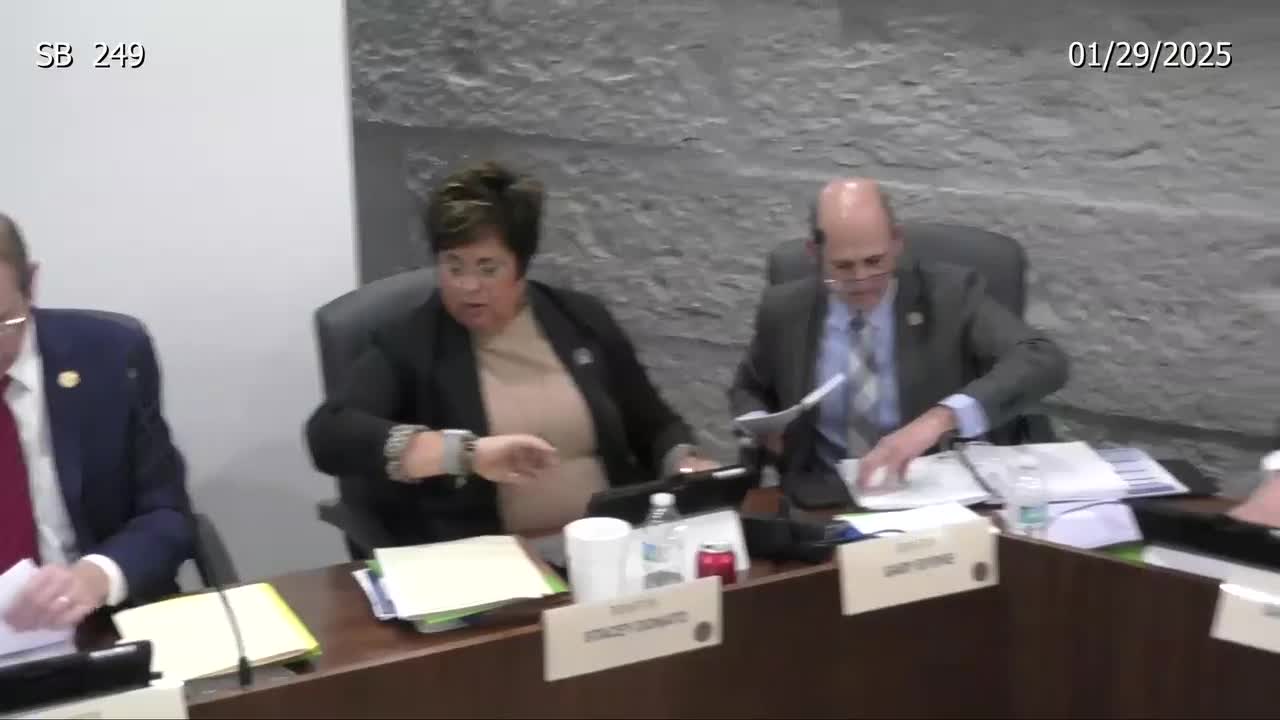
Senator Spencer Deary presented Senate Bill 249 to the Senate Education and Career Development Committee, saying the bill is intended to help school corporations recruit and retain teachers in high‑need fields by enabling districts to exempt a portion of state funding from negotiations and reserve it for supplemental pay.
Deary said the proposal would allow a school corporation to set aside part of its state funding for supplemental payments “on the condition that doing so is in the best interest of students.” He said the aim is to give districts tools to pay more for teachers in hard‑to‑fill positions and to expand an existing supplemental‑payment statute that the senator described as “barely used.” He also proposed that up to 10% of standard annual raises be tied to work in a legally defined high‑need area.
Committee members questioned whether districts already have the authority and raised concerns about sequencing: the Indiana State Teachers Association (ISTA) and others said existing practice sequences bargaining for base salaries first, then supplemental pay, and reversing that order could reduce transparency and create disparities. ISTA also told the committee that districts hold roughly $2 billion in unspent reserves and urged prioritizing those funds for teacher compensation.
Witnesses who supported the bill included representatives of the Indiana Association of School Principals, Stand for Children Indiana, the Indiana Manufacturers Association and regional intermediaries delivering career coaching; they said the bill provides needed flexibility and tools to address shortages in STEM, special education and career and technical education.
The committee heard public testimony from school superintendents and education organizations. The superintendent association asked for clarifications around the bill’s wording, especially about the phrase “in the best interest of students” and the proposed 10% minimum allocation tied to high‑need work. ISTA recommended preserving local bargaining sequencing and using district reserves.
Ending: Sponsors and stakeholders agreed to continue working on bill language and technical fixes; the committee completed the hearing without a recorded final committee vote on SB249 in the transcript.