Get Full Government Meeting Transcripts, Videos, & Alerts Forever!
Get email alerts on the Audit And Budget topic
No spam. Unsubscribe anytime.
Independent audit returns clean opinion; council adopts midyear budget adjustments and revenue revisions
Summary
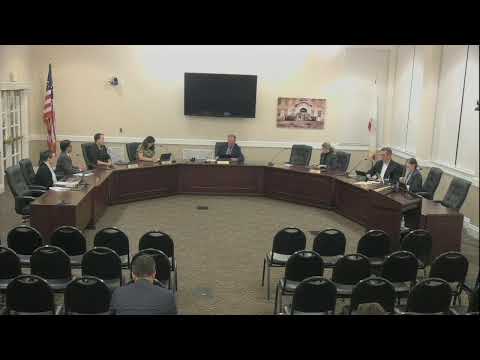
City auditors gave St. Helena an unmodified (clean) opinion on its June 30, 2024 financial statements and reported no material weaknesses. At the same meeting the council approved midyear budget adjustments for fiscal 2024–25 that included a series of revenue and expense changes, use of reserves and department adjustments.
Brown Armstrong, the City’s external auditors, reported an unmodified (clean) opinion on the City of St. Helena’s financial statements for the year ended June 30, 2024, and said it found no material weaknesses or significant deficiencies in internal control.
Lindsey Zimmerman, audit partner, told the council the audit ‘‘resulted in an unmodified or clean opinion on the financials as a whole’’ and that auditors found ‘‘no compliance issues noted’’ in their testing. Zimmerman also reported there were no corrected or uncorrected misstatements and no audit disagreements with management.
Why it matters: A clean audit provides independent assurance the city’s financial statements are presented in accordance with accounting standards, which matters to bondholders, grantors and the public.
Council finance presentation and key results: Administrative Services Director Mandy Kellogg summarized the fiscal highlights. The city reported total net position of about $96.6 million for fiscal year 2023–24, an increase of roughly $7 million from the prior year. Revenues rose 39% to about $40.1 million and expenses rose 20% to about $33.1 million. Kellogg said property‑tax, sales‑tax and transient‑occupancy tax combined with improved investment earnings accounted for much of the revenue strength.
Audit and budget follow‑up: Although the auditors reported no findings, Kellogg noted the finance department has capacity constraints and the city will issue an RFP for audit services in accordance with best practices after five years of the current engagement.
Midyear budget adjustments: The council considered and approved a midyear package of budget adjustments for fiscal 2024–25. Key elements the council adopted included:
- An increase to projected property‑tax revenues after updated county projections. - A conservative reduction to projected sales‑tax receipts, reflecting slower high‑end tourism and construction sectors and an Avenue forecasting update; staff cited St. Helena’s particular exposure to high‑end tourism and winery sales. - An increase in investment‑earnings projections tied to stronger short‑term investment performance. - Targeted expenditure adjustments including public works and fire department reimbursements where appropriate; staff noted several public‑works requests were deferred and listed as unfunded needs.
Budget figures and reserves: The proposed midyear adjustments would increase the city’s use of reserves to approximately $4.6–4.7 million in 2024–25, of which roughly $1.8 million represents encumbrances carried forward from 2023–24. After the adjustments staff estimated the general fund unassigned balance would be roughly $10.58 million (about a 48% reserve level) — above the council policy minimum of 30 percent.
Water and wastewater notes: Staff reported water and wastewater revenues reflect recent rate increases; water revenues rose in large part because of newly approved water and wastewater rates (staff cited a 28 percent rate increase in water). Water fund staff said collection timing and billing cycles mean midyear receipts do not fully reflect November–December usage. The wastewater fund is using reserves in part because of planned treatment plant upgrades and had an estimated 4.4 months of operating reserves; council previously authorized a temporary below‑policy reserve level to support the wastewater treatment plant project.
Sales‑tax and tourism concerns: Council members and members of the public noted the city’s sales‑tax receipts remain vulnerable to changes in tourism and winery visitation. Kellogg told the council that roughly half of the city’s sales tax historically derives from food, with a large share tied to wineries; staff and council said international travel, consumer caution and other economic factors have reduced receipts since the pandemic rebound.
Vote and next steps: Auditors completed their report to council; no council action was required to accept the audit. Council then voted to adopt the recommended midyear budget adjustments in a roll call: Council member Barrick — yes; Spatarotto — yes; Vice Mayor Deasy — yes; Mayor Paul Doreen — yes.
Provenance: the auditor’s presentation began with Brown Armstrong’s overview of the engagement and concluded with the council’s midyear budget vote on the adjustments.