Get Full Government Meeting Transcripts, Videos, & Alerts Forever!
Get email alerts on the Municipal Budget topic
No spam. Unsubscribe anytime.
Council adopts midyear budget adjustments amid sales‑tax uncertainty; reserves remain above policy
Summary
Saint Helena’s council adopted midyear budget adjustments for fiscal 2024–25 on Feb. 25. Staff recommended conservative reductions in sales‑tax estimates, modest increases in investment earnings and specific expense adjustments; the city expects to use reserves but projects an unassigned general fund balance above the council’s 30% policy.
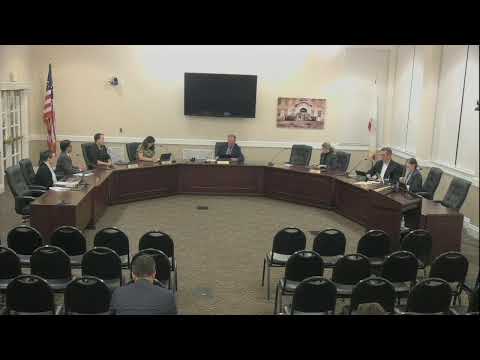
The Saint Helena City Council on Feb. 25 adopted midyear budget adjustments for fiscal year 2024–25 after staff presented revenue and expenditure updates and recommended targeted changes.
Administrative Services Director Mandy Kellogg told the council general‑fund revenues increased overall in 2023–24 but sales tax and certain other revenue streams have softened compared with pandemic-era peaks. For the current fiscal year, staff recommended decreasing sales tax projections to be conservative, increasing projected investment earnings based on recent performance and increasing property-tax projections after receiving updated county figures. Kellogg reviewed that total recommended revenue adjustments were $362,487 and identified department requests and unfunded needs.
Council and staff discussed tourism-driven sales tax: Kellogg said about 50% of the city’s total sales-tax receipts derive from food-related sales and that nearly 46% of that component is associated with wineries; staff noted weakened visitation and international tourism headwinds as factors. Council members urged continued partnership with the Chamber of Commerce and regional marketing efforts.
Kellogg presented recommended expense adjustments in general fund and enterprise funds. Fire‑department reimbursements from Cal OES for emergency response were expected to offset increased emergency relief expense. Public‑works requests were presented, with some items recommended for deferral as "unfunded needs." The water fund and wastewater fund were also discussed: staff reported water usage tracking and cautioned about the three‑month winter average that sets wastewater winter‑average charges; water fund operating reserves were projected at 11.2 months (policy range 10–14 months). The wastewater fund projected a 4.4‑month operating reserve (council policy 6–8 months); council previously authorized dipping below policy for the wastewater treatment plant upgrade.
Councilmember motioned to adopt the recommended midyear adjustments and the clerk recorded a roll-call vote in favor: Council member Barrick, Council member Spatarotto, Vice Mayor Deasy and Mayor Paul Doreen all voted yes.
Why it matters: The adjustments reflect conservative revenue assumptions—particularly a downward revision to sales tax tied to tourism and winery sales—and reallocate or defer departmental needs while preserving an unassigned general fund balance projected at about 48% of policy. The decisions affect near‑term spending capacity and planned capital or operating projects.
Ending: Staff will implement the adopted midyear adjustments, continue monitoring sales‑tax and utility usage trends, and return with further budget details as needed.