
North Kansas City Schools approve employee health plan renewal with smaller-than-expected premium increase
Get AI-powered insights, summaries, and transcripts
Sign Up Free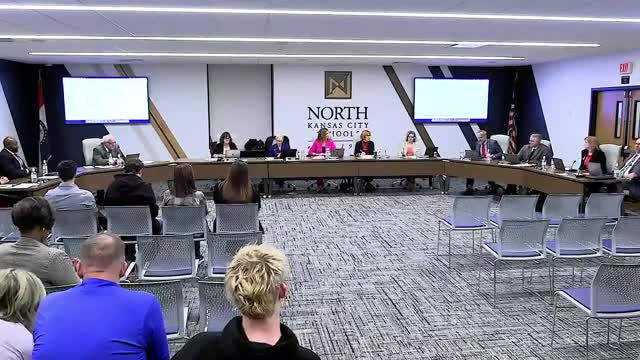
Summary
The school board approved a benefits renewal that trims an insurer's proposed 16.3% rate increase to a 5.5% net premium increase through negotiations and modest plan design changes, including higher prescription co-pays and continued rate re-tiering.
The North Kansas City Board of Education on March 4 approved the district's benefits renewal, accepting a health plan package that district consultants said reduces an initial medical-rate request from 16.3% to a 5.5% increase.
Margo Nelson of benefits broker Holmes Murphy told the board the insurer initially sought a 16.3% increase but the district negotiated that down to 6% with Blue Cross and Blue Shield of Kansas City and then further reduced the premium by making minor plan-design changes to reach a 5.5% increase. "We are calling for a needed increase of 16.3%. We were able to negotiate that down to 6% with Blue Cross and Blue Shield of Kansas City. And we were able to make some minor plan design changes, that further reduce that premium to a 5.5% increase over current," Nelson said.
Nelson and district staff said the package keeps a multi-year strategy of modest rate re-tiering that has been used to rebalance costs between employee-only coverage and plans that include dependents. She said the district expects 82% of participating employees to remain in the employee-only tier, and that the re-tiering will reduce the amount deducted from paychecks for most of those employees.
The renewal includes small increases to prescription co-pays: a $5 increase for tier 1 (generic) and tier 2 (brand) drugs and a $10 increase for tier 3 non-preferred drugs. Nelson said fewer than 1% of prescriptions fall into tier 3 for the district's membership.
Board members and staff framed the vote as part of a long-term approach to keep future renewals manageable. One board member thanked Holmes Murphy for negotiating the lower renewal, noting that moving from a potential 16% jump to roughly 5% was a meaningful improvement. The motion to approve the benefits renewal as presented passed by voice vote.
The district will implement the new plan effective July 1, the presenters said. Nelson emphasized the district has been pursuing several cost-control measures for years, including wellness incentives and plan design changes, to avoid larger, abrupt premium increases in future renewals.
Costs and coverage decisions described during the presentation included both the district's estimated contribution increase and employee-level changes; Nelson said the district used a 6% figure for employer cost in the five-year forecast exercise before applying plan-design offsets that reduce employee payroll impact.
The board approved the renewal after a motion to adopt the recommendation and a second. The board did not adopt more aggressive changes such as adding a specialty drug cost share at this time, Nelson said.
Minor details provided during the presentation: presenters said the plan has been under a multi-year rate-guarantee arrangement; prescription copay increases apply to all three district medical plan options; and the district will continue wellness programming as part of its cost-control strategy.