Get Full Government Meeting Transcripts, Videos, & Alerts Forever!
Get email alerts on the Open Public Meetings topic
No spam. Unsubscribe anytime.
Trainer reviews Open and Public Meetings Act, records rules and electronic-meeting requirements
Summary
A regional adviser walked the council and planning commission through OPMA requirements, quorum rules, closed-meeting limits, minutes and recording retention under GRAMA, and the conditions for electronic meetings and public participation.
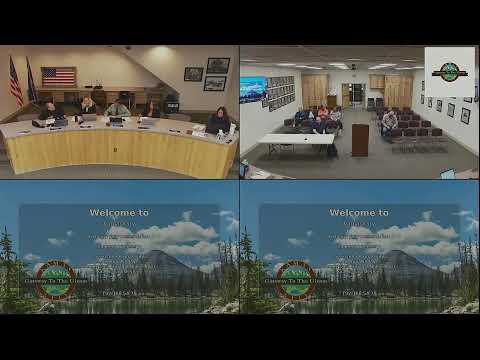
Spencer Foster of the Mountainland Association of Governments led a training for the Kamas City Council and Planning Commission on the Open and Public Meetings Act and related public-records rules.
Foster said the law's core purpose is transparency: "public bodies must conduct their business openly and with full transparency." He described who is covered by the act — "any administrative, advisory, executive or legislative body" — and explained that a quorum is a simple majority of the body and that "a decision cannot pass unless a majority approves it."
Foster outlined rules for closed meetings, saying a public body may meet privately for defined reasons such as discussing the character or competence of an employee, but it "cannot take action on anything in a closed meeting." He stressed that officials must stay on the topic stated when calling a closed session. On emergency meetings he said they should be limited to true emergencies, such as a water-main break or landslide, not personnel matters.
On records and minutes, Foster said minutes must include date, time, place, names of members present and absent, substance of items discussed and votes. He noted that meeting recordings must be retained unedited for a fixed time to meet public-records obligations. During the session a council member later checked the code and said the city must make pending minutes available within 30 calendar days and final approved minutes available within three business days.
Foster also described electronic meetings: a city must adopt rules or a resolution recording how an electronic meeting works, designate a physical "anchor" location and provide the public a way to participate. He noted platforms such as YouTube may qualify for public participation only if the city enables and monitors interactive comment functions and incorporates those comments into the official record when appropriate.
Why it matters: OPMA and GRAMA set the legal baseline for decision-making, public access and records retention. Foster warned officials that informal conversations among three or more members outside a public meeting can create a forbidden "walking quorum," and that text messages and similar communications during meetings may be subject to public-record requests.
Ending: Foster encouraged officials to err on the side of transparency, prepare annual meeting schedules and to consult staff or MAG for templates and further training.