Get Full Government Meeting Transcripts, Videos, & Alerts Forever!
Get email alerts on the Tenant Accountability topic
No spam. Unsubscribe anytime.
Committee hears HB 399 to require in‑state contact or licensed broker for institutional landlords
Summary
House Bill 399 would require institutional owners or their agents to maintain an in‑state contact or designate a licensed Georgia broker for complaint handling and property management; the proposal drew support from municipal and legal aid groups and alternative drafting suggestions from the real estate industry.
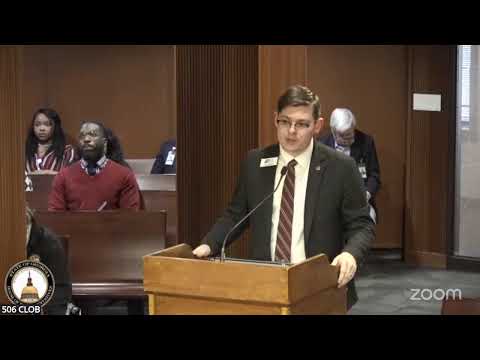
Representative Albert presented House Bill 399, which would require corporations that own rental housing to designate an in‑state person to receive complaints and manage corrective actions for properties within Georgia.
Supporters said the change is intended to make it easier for tenants and code enforcement to identify responsible parties when repairs or life‑safety issues arise. Georgia Appleseed and the Georgia Municipal Association testified in support, noting that many institutional owners operate through multiple shell companies and out‑of‑state management portals that make local accountability difficult. Georgia Appleseed said seven corporations own more than 51,000 single‑family homes in the Greater Atlanta area and that six of the seven are based out of state or abroad.
Jeff Ledford of the Georgia Realtors proposed an alternative: require that the listed in‑state contact be a licensee under Title 43, Chapter 40 (the Georgia real‑estate licensing statute). Ledford said licensure would create public records, provide consent for service, require trust‑account handling of other people's funds, and give the Real Estate Commission and its recovery fund additional mechanisms for oversight and restitution. He warned that a mere in‑state contact could be a non‑licensed employee with no accountability.
Municipal and academic witnesses also supported HB 399 as a first step toward improved accountability. The committee heard public testimony and documents and did not vote on the measure at the session. Sponsors indicated willingness to continue discussions about whether to require a licensed broker or other registration mechanisms; committee members requested the presenters’ slides and data for follow‑up.