Get Full Government Meeting Transcripts, Videos, & Alerts Forever!
Get email alerts on the Measure E Renewal topic
No spam. Unsubscribe anytime.
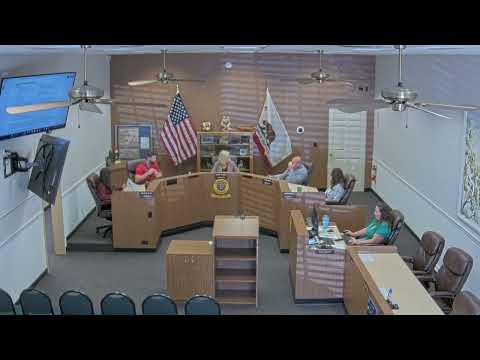
Kingsburg committee opens planning for renewal of Measure E public-safety sales tax
Summary
The finance committee began discussion on renewing Measure E, the city27s 1% public-safety sales tax, signaled a preference for a June 2, 2026 election date and asked staff to solicit legal help and outline a timeline and budget for outreach.
The Kingsburg Finance Committee discussed a possible renewal of Measure E, the city—s 1% public-safety sales tax, and signaled support for placing a renewal on the June 2, 2026 ballot with March 7, 2028 as a fallback date.
Alexander Henderson, member and presenter for the item, reviewed Measure E—s history and finances. “On 06/05/2018, Kingsburg voters enacted Measure E, which is a 1% public safety sales tax that supports ongoing, allowed efforts,” Henderson said. He told the committee Measure E went into effect on Oct. 1, 2018, for a period of 10 years as described in the original ballot language and that the measure required a two-thirds approval because it is a specific transaction-and-use tax. Henderson told the committee that fiscal-year 2024–25 receipts are estimated at about $2.6 million and that “since inception, the City has received a little over $14,000,000 in cash receipts to date.”
Henderson said staff recommends beginning the renewal effort now and soliciting legal quotes to draft ballot language, update ordinance language, and prepare required filings. He listed possible election dates for the renewal: June 2, 2026 (California primary), Nov. 3, 2026 (general election), and March 7, 2028 (presidential primary), and recommended choosing a 2026 date and using 2028 as a fallback.
Committee members discussed pros and cons of different election cycles. One committee member said, “I—m supportive of June,” and another favored keeping a sunset clause to make renewal more palatable to voters; that participant added the citizen oversight committee—s transparency has been an important factor and requested a public report or presentation from the oversight committee before council acts. Henderson and other members noted that once the council passes a resolution placing a measure on the ballot, city officials and staff are subject to impartiality rules and that outside consultants may be needed for legal drafting, marketing and voter education. Staff said the final deadline to qualify a measure for the June 2026 ballot would fall in February 2026 and that they would aim to have legal work substantially complete by the end of the calendar year to meet county filing timelines.
The committee did not take a binding vote to place Measure E on a ballot but directed staff to solicit legal proposals, outline a timeline and budget for outreach and consultants, and return with more detailed recommendations for council consideration. Members discussed whether Measure E funds may be used for the renewal effort; Henderson said he would consult the city—s legal team and report back.
The discussion included questions about potential calendar conflicts with other local tax measures, the role of political action committees for advocacy, and whether polling or paid marketing should be budgeted. Several members said they preferred a finite sunset clause in any renewal to improve voter acceptance.