Get Full Government Meeting Transcripts, Videos, & Alerts Forever!
Get email alerts on the Consumer Protection Subscriptions topic
No spam. Unsubscribe anytime.
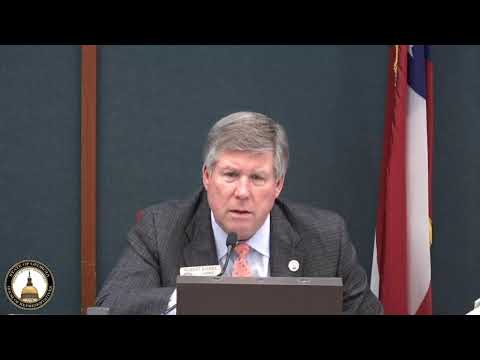
Committee holds hearing on HB529 to curb surprise subscription renewals
Summary
At a hearing for HB529, Representative Barrett proposed allowing consumer contracts to terminate at the end of an initial term unless the consumer opts into automatic renewal; members raised questions about enforcement and protections for seniors.
The House Agriculture & Consumer Affairs Committee held a hearing on HB529, a consumer-protection bill that would give consumers the option for a contract to terminate at the end of the initial term rather than automatically renew — unless the consumer affirmatively opts into auto-renewal.
Representative Barrett, sponsor of HB529, described everyday examples in which subscriptions renew at dramatically higher prices without clear, easy ways to cancel. He cited a personal example in which a newspaper subscription renewed from $52 to $250 and would automatically renew again at $467.88. "This bill will give consumers the ability to have a contract terminate after an initial period rather than having it automatically renew," Barrett said, adding the change aims to shift the onus from consumers to sellers for longer-term contracts.
Committee members broadly praised the concept but raised substantive questions. Representative Tyler asked whether automatic termination could change the benefits a returning customer receives and how companies could increase a renewal price without explicit consumer approval. Representative Cox and others pressed for additional consumer safeguards, consequences for companies that implement barriers to cancellation, and protections for seniors or customers without smartphones. Representative Willis emphasized access issues for constituents who lack modern devices and urged the committee to consider mechanisms that do not depend on smartphone or email access.
Barrett said the proposal intends to start a broader conversation and referenced earlier legislation passed under Chairman Gaines designed to make opt-out procedures easier; he said further refinement and engagement with the attorney general's consumer-protection division would be useful. Committee members did not vote on HB529 during the hearing; the sponsor described the session as "hearing only" and urged further stakeholder input and staff work on enforcement details.
The transcript does not include draft statutory text for enforcement, penalties, or whether the attorney general's office accepts civil enforcement actions under the proposal; Barrett said he had not yet discussed enforcement details with the attorney general's office but planned to do so. Committee members recommended further feedback and possible supplementary language to address access and enforcement concerns.