Get Full Government Meeting Transcripts, Videos, & Alerts Forever!
Get email alerts on the Labor And Employment topic
No spam. Unsubscribe anytime.
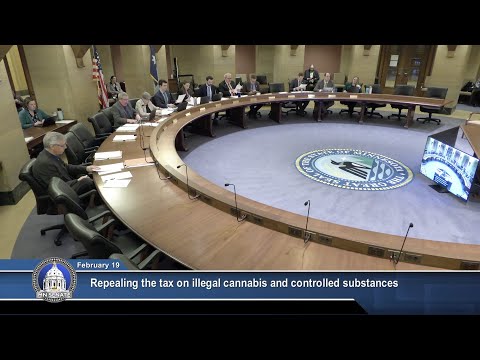
Committee hears bill to prevent state conformity with IRS 'section 530' safe harbor for worker misclassification
Summary
Senate File 210 would prevent Minnesota from conforming to IRS section 530 safe-harbor relief that can allow employers to avoid payroll tax liability after misclassification findings; the Department of Revenue supports the change and the bill was laid over for the omnibus tax bill.
Senate File 210, sponsored by Senator Umu Ribeaton, would amend Minnesota tax law so the state does not conform to Internal Revenue Service (IRS) section 530, a federal provision that provides certain employers relief from employment-tax liability even after an IRS or Department of Revenue audit finds misclassification of workers.
Senator Umu Ribeaton told the Taxes Committee that section 530 can operate as "a permanent cure" allowing employers who have consistently treated a worker as an independent contractor to continue doing so if they meet a "reasonable basis" test — a result the senator described as undermining the state’s ability to deter misclassification and associated tax evasion.
Joanna Bares, legislative director for the Minnesota Department of Revenue, told the committee the administration supports the bill and that nonconformity with section 530 would help the Department of Revenue in enforcing worker-classification rules. Bares said Minnesota would not apply the IRS section 530 factors in its audits going forward, but that Minnesota would still grant any section 530 relief already determined by the IRS if the IRS completes an audit first.
Witnesses and sponsor emphasized that worker misclassification shifts tax burdens, reduces contributions to unemployment insurance and paid family leave funds, and can deprive workers of wages and benefits. The Department of Revenue said the provision is a barrier to enforcement in industries where misclassification is an "industry practice."
Senate File 210 was laid over for possible inclusion in the omnibus tax bill.