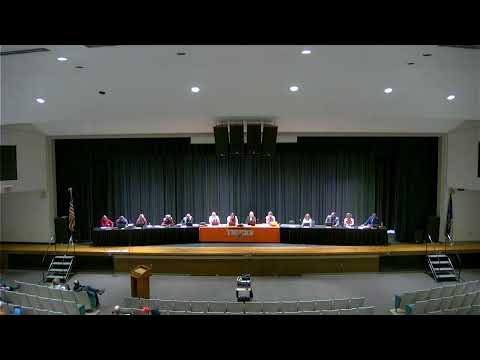
Tunkhannock superintendent says governor—s proposed education budget leaves district with less than 1% increase
Loading...
Summary
The Tunkhannock Area School District superintendent told the school board the governor—s proposed education budget would increase the district—s funding by under 1%, leaving rural districts with a small share of statewide increases and prompting a call for community outreach to local legislators.
The Tunkhannock Area School District superintendent told the school board on Monday that the governor—s proposed education budget would provide less than a 1% increase for the district and "does nothing to help us." The superintendent urged residents to consult the Pennsylvania Department of Education website and contact local legislators.
At the start of the meeting the superintendent described the proposed increase for Tunkhannock as "less than a hundred thousand dollars" and said the district is 1 of 150 districts that would share a small portion of the state's increase. "A 50 school districts will split 3% of the total education funding, while the remaining 350 school districts will split 97%," the superintendent said, arguing that small- to mid-sized rural districts are getting "an extremely small slice" of increased funding.
The superintendent said he has already discussed the issue with Sen. Baker and called the meeting with the senator "very, very positive," adding he plans to be vocal about the shortfall and asked the community to contact local lawmakers in support of adequate funding for rural districts.
Board members did not take formal action on the funding item at the meeting. The superintendent also used the remarks to note local school successes and items of school news, including athletic achievements and new campus additions.
Why it matters: State funding formulas determine most annual operating revenue for Pennsylvania public school districts and shifts in formula allocations can materially affect staffing and programming choices in small, rural districts.
Context and next steps: The superintendent encouraged community members to review the Pennsylvania Department of Education—s proposed allocations for districts and to reach out to state legislators. He reported having discussed the matter with Sen. Baker and said he expects pushback on the proposed budget.
The meeting then moved to routine business and a series of approvals and votes later in the agenda.