Get Full Government Meeting Transcripts, Videos, & Alerts Forever!
Get email alerts on the Fishing Licenses Seniors topic
No spam. Unsubscribe anytime.
Minn. committee lays over two bills to reduce fishing fees for seniors, DNR warns of fund impacts
Summary
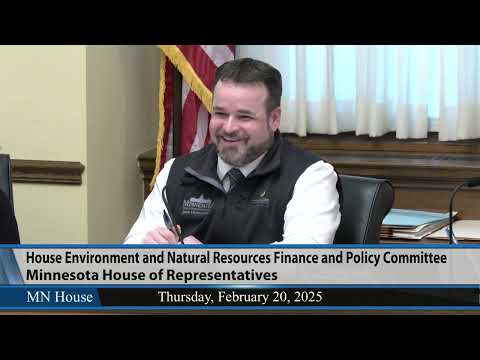
A House committee on Wednesday laid over two bills that would change fishing-license costs for Minnesota residents 65 and older after proponents described them as conversation starters and the Department of Natural Resources warned of large funding impacts.
A House committee on Wednesday laid over two bills that would change fishing-license costs for Minnesota residents 65 and older after proponents described them as conversation starters and the Department of Natural Resources warned of large funding impacts.
Representative Mary Franson introduced House File 413, saying the bill “would allow a resident age 65 or older to fish without a licence.” She read a constituent letter from an 80-year-old veteran urging the change and said many seniors are discouraged from buying licenses because they fish only occasionally and have reduced incomes. Representative Jim Nash introduced House File 276, which would reduce the license fee by $10 for people 65 and older.
The committee chair moved both bills be laid over for possible inclusion in a future bill; both motions were carried and the bills were laid over. Lawmakers described the measures as discussion items meant to gauge appetite and solicit suggestions from members and the public.
Why it matters: DNR officials told the committee that eliminating or reducing fees for anglers 65 and older would reduce money available for fisheries work and could trigger additional pressure to raise other fees. Pat Rivers, Deputy Director for the Division of Fish and Wildlife at the Minnesota Department of Natural Resources, said anglers 65 and older are a growing share of licensed buyers and that licensed buyers currently contribute about $4,000,000 annually in license revenue. Rivers said Minnesota also received roughly $12,800,000 last year in federal Sport Fish Restoration excise apportionments, which are partly calculated based on the number of certified licensed buyers. She testified that removing anglers 65 and older from the license-buying pool would reduce Minnesota’s Sport Fish Restoration apportionment by about $1,100,000 and could mean an annual reduction of about $5,000,000 to the Game and Fish Fund.
Supporters framed the change as an access issue and a modest recognition of long-term anglers. Representative Franson read a constituent account noting neighboring states either offer reduced fees at 65 or free fishing at that age; Representative Nash said his bill was a “meager $10” reduction and emphasized the social and economic value of fishing to families and local businesses.
Committee reaction and next steps: Members asked DNR and bill authors questions about funding offsets and long‑term sustainability. Several members noted the bills are only a starting point for discussion and mentioned potential compromises (for example, the committee has previously considered age 90 as the threshold for a free license). The DNR said it is willing to work with the Legislature to “make fishing more accessible,” but stressed the need to preserve the solvency of the Game and Fish Fund.
Votes at a glance: The committee approved motions to lay over both bills for possible inclusion in a future bill. House File 413 (Franson) — motion to lay over carried. House File 276 (Nash) — motion to lay over carried.
Ending: Committee members directed continued conversation with the DNR and noted supporting letters and groups in the record, including the Congressional Sportsmen’s Foundation and Conservation Minnesota, which were submitted in support of House File 276. With the bills laid over, any future work will need to resolve potential offsets to the Game and Fish Fund before moving toward final action.