Get Full Government Meeting Transcripts, Videos, & Alerts Forever!
Get email alerts on the Public Safety First Responders topic
No spam. Unsubscribe anytime.
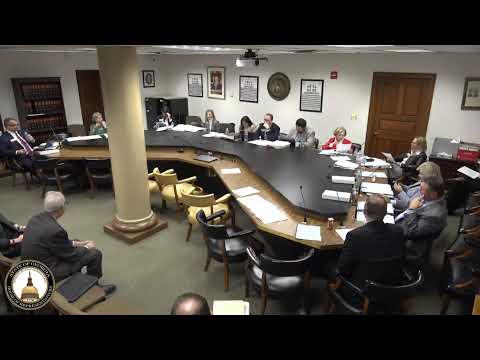
Committee hears ‘HALO Act’ to keep 25-foot buffer around first responders; members seek clearer language
Summary
The committee heard House Bill 390, authorizing criminal penalties when people impede or harass first responders within a 25-foot perimeter at active emergency scenes. Supporters called it a preventative measure; members and civil liberty advocates raised concerns about vague language and overlap with existing obstruction laws.
The House Judiciary Committee heard testimony on House Bill 390 — the HALO Act — which would create a criminal offense for knowingly impeding, interfering with or harassing public-safety personnel within a 25-foot perimeter of an active scene.
Representative Tim Fleming introduced the proposal and called it a public-safety measure drafted with the Fraternal Order of Police. "What it does is it enacts a 25 foot perimeter around public safety personnel when they are on an active scene or emergency, to keep people 25 feet away from them so they can perform their duties," Ken Davis of the Fraternal Order of Police told the committee.
Supporters described the bill as preventive: by defining clear space around officers, emergency medical technicians and firefighters, proponents said, the measure would reduce incidents that escalate into obstruction or violence. Proponents said the bill would impose a graduated response: a verbal warning followed by misdemeanor charges if the person continues to interfere or threatens physical harm.
Committee members and witnesses pressed on the bill’s definitions, particularly the term "harass." Several members said they were concerned the definition — which includes conduct that "intentionally causes substantial emotional distress and serves no legitimate purpose" — could sweep in victims or family members who are distressed but not criminally culpable. Representative Silcox pointed to scenarios involving people distraught after seeing a loved one injured and asked whether the language might criminalize such behavior. The bill’s sponsor and supporters replied that the statute requires willful conduct and usually follows a warning from responders.
Legal advocates and a witness from a public-safety association also raised questions about overlap with existing obstruction and assault statutes. Robert Smith, speaking for a legal association, warned of a potential rule-of-lenity problem: "If you have a crime listed two different ways with two different punishments... the lesser punishment is the one that controls," he said, arguing the bill needs drafting work to avoid unintended statutory conflict.
Committee leaders said they heard the concerns and will work with the author to refine language and resolve overlaps before bringing the bill back. "I think there's a path forward," the chair said at one point, and the sponsor agreed to continue drafting with stakeholders.
Why it matters: Supporters say the bill gives responders breathing room to do their jobs and could reduce arrests and assaults by preventing escalation. Critics say the draft language is potentially vague and could criminalize bystanders who are emotional but not dangerous; some warned it could duplicate or conflict with existing obstruction and assault laws and trigger rule-of-lenity issues in court.
What’s next: Committee members asked staff and counsel to rework definitions and address overlaps; the chair said he would work with the author and stakeholders on rewritten language before further committee action.