Get Full Government Meeting Transcripts, Videos, & Alerts Forever!
Get email alerts on the Land Use Zoning topic
No spam. Unsubscribe anytime.
Senators send zoning protest petition changes to conference after dispute over late amendment
Summary
The Senate failed to concur on House amendments to Senate File 40 after senators criticized a late amendment they said was not vetted in committee; a conference committee was appointed to resolve differences.
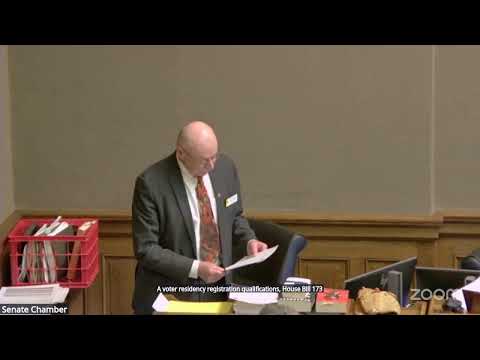
CHEYENNE, Wyo. — The Wyoming Senate on Feb. 19 failed to concur on House amendments to Senate File 40, legislation concerning zoning protest petitions, after several senators objected to a late amendment they said was not presented or discussed in committee. The presiding officer announced that a conference committee will be appointed to resolve the differences between chambers.
Senator Garew, who led the Senate debate on the measure, urged colleagues to reject concurrence and send the matter to conference. “No one got to see this amendment. No one got to speak to it. No one got to testify on it for it or against it,” Garew said on the floor, describing the amendment as not contemplated by the committee that initially moved the bill.
Other senators framed the disagreement in different terms. Senator Smith told colleagues the contested amendment sought to prevent builders from being charged housing mitigation fees by local governments without additional approval, describing the change as a response to local housing regulation and an effort to protect construction activity. Senator Scott said he supported the House changes because they would remove some of the government fees that create barriers to affordable housing.
After floor debate the presiding officer announced the result: the Senate “failed to concur on Senate File 40” and a conference committee was named. The chair of the appointed committee is identified as Chairman Guru, with Senators Ayd and Lander named as conferees.
The exchange centered on legislative process as much as policy. Several senators stressed that the main issue was germaneness and whether a substantive amendment introduced late in the House should have different treatment when it arrived back at the Senate. Those who pressed to go to conference described the step as the appropriate mechanism for chambers to reconcile an amendment that had not been openly discussed in the originating committee.
What’s next: Conference committee members will meet with House conferees to attempt to reach an agreement both chambers can accept. If no agreement is reached, the bill’s status will remain unresolved until further action by the legislature.