Get Full Government Meeting Transcripts, Videos, & Alerts Forever!
Get email alerts on the Trigger Leads Privacy topic
No spam. Unsubscribe anytime.
Committee revives bill to ban mortgage "trigger leads" sold after credit pulls
Summary
House Bill 240 would prohibit third-party marketing "trigger leads" that follow a lender’s credit inquiry on mortgage applicants and require clear notice to consumers; the committee passed the measure by voice vote after lawmakers and consumer advocates described privacy and predatory-marketing concerns.
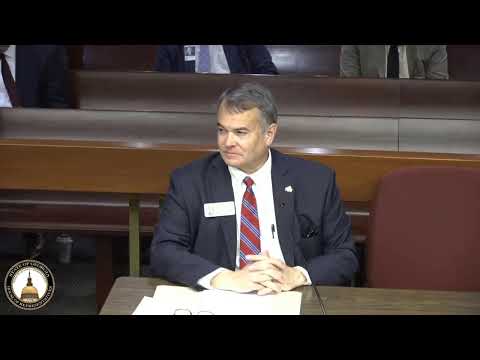
Representative (presenter) discussed House Bill 240 as a consumer-privacy and anti-predatory-marketing measure aimed at so-called "trigger leads." The presenter described trigger leads as offers generated when a lender pulls a consumer credit report for a mortgage application and third parties then buy consumer contact information and solicit the consumer.
"This action then triggers the Transunions of the world, the Equifax's experience, to sell the consumer information to other lenders," the presenter said, describing the downstream result as harassment, deception and privacy invasion. The presenter told the committee the bill would ban trigger leads while allowing servicers and original lenders to solicit their existing customers.
The bill’s sponsor and supporters said the measure mirrors language considered previously and drew strong support from the Mortgage Bankers of Georgia. "We're trying to codify this so that we are not doing this," the presenter said when asked why an explicit statutory prohibition was needed.
Liz Coyle, executive director of Georgia Watch, endorsed the bill during the hearing, thanking the sponsor and saying the protections are "much needed." Coyle told the committee she hoped the bill would clear the full legislature this session.
Members asked procedural questions about notice language and about specific subsections in section 101-393.2 (as cited during the hearing). A committee member asked how the consumer notice would appear in practice; the presenter said the notice would be a form and would conform "as it reads" in the statutory language.
Representative Demetrius Douglas, named on the bill as a signer, asked whether the bill would stop a small business owner with a competitive offer from contacting a prospective borrower. The presenter answered that the bill does not stop a borrower from seeking alternatives, but it is intended to limit unsolicited flood-of-calls scenarios that can harm consumers' privacy and credit.
The committee passed House Bill 240 by voice vote. Members said "aye" on the record and the chairman announced the bill passed; no roll-call tally was recorded.
The bill continues to the next stage of the legislative process with supporters arguing it protects consumer privacy and opponents (not recorded in detail) not present on the record. The committee did not receive a detailed administrative presentation from the credit-reporting or regulatory agencies during the hearing.