Get Full Government Meeting Transcripts, Videos, & Alerts Forever!
Get email alerts on the Public Health And Homelessness topic
No spam. Unsubscribe anytime.
San Clemente council declines to introduce ordinance restricting food distribution on public property after heated debate
Summary
The San Clemente City Council voted to decline introduction of a proposed ordinance (chapter 8.26) that would have required permits and sanitary measures for distributing food or drinks on public property, after lengthy public comment and council discussion about legal risk, public safety and community norms.
The San Clemente City Council voted on Feb. 18 to decline introduction of a proposed ordinance (proposed chapter 8.26 of the San Clemente Municipal Code) that would have regulated the distribution of food and drinks on city-owned property.
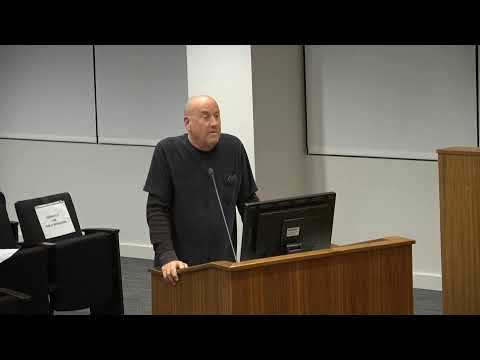
The measure drew more than an hour of public comment and extended council debate focused on public safety, legal exposure and the effect on faith-based groups and volunteers who feed people experiencing homelessness. Jennifer Massey urged the council during public comment: “Please vote no on measure 10a.” Catherine Moore, a local attorney and commenter, warned the council the ordinance would be legally vulnerable and said passing it would invite lawsuits that the city would likely lose.
Supporters in the audience and several residents called the proposal immoral and unconstitutional, arguing the act of feeding the hungry can be a religious exercise. Several speakers cited federal case law and the First Amendment in urging the council to reject the measure. Others, including residents who live near North Beach, said frequent, organized food distributions at the same time and place have contributed to litter, safety concerns and repeated police calls.
City staff told the council the draft ordinance was not a ban but would mirror requirements commonly used for large public food events coordinated with the county health department — for example, food-handling permits that typically apply for gatherings of more than 50 people and require sinks/restroom access, temperature controls, and single-day permit durations. Staff said the intent behind the draft was to ensure sanitary conditions and to reduce leftover food that could attract animals or create hazards.
Council members debated multiple points. Several council members said they saw the item as a public-health and permitting question rather than an attack on religious practice. Council discussion noted the city already has entities that provide permitted meal service, and emphasized alternatives such as better enforcement of litter or disorder offenses and increased park-ranger or outreach presence. Council members also repeatedly raised concerns about legal exposure and litigation costs if the ordinance were adopted.
After discussion the council voted to decline to introduce the ordinance. The motion to decline introduction was made and seconded on the record and passed during roll call. The council did not adopt the draft code change; staff were not directed to return the same ordinance language for further readings.
Council members and several speakers said the city should focus on enforcing existing rules about litter and disorderly conduct, increase outreach and shelter connections, and work with faith groups and nonprofits rather than pursue a new, broad permitting regime. Several public commenters urged the council to instead invest in homelessness solutions and emphasized that criminalizing acts of charity would harm vulnerable people.
The council’s decision came after a long public-comment period that included specific examples of both community outreach and public-safety incidents at North Beach. The council’s discussion emphasized balancing public-safety and sanitary concerns with free-exercise and free-assembly protections under federal law.
The item was recorded as agenda item 10a; no ordinance was introduced or adopted during this meeting. The council and staff indicated they will consider other ways to address trash and safety concerns at beach areas, including enforcement of existing municipal and state rules and continued outreach to service providers and faith groups.
For now, sharing food in public spaces in San Clemente remains subject to existing county public-health rules (for gatherings above certain sizes) and to the city's existing litter, disorder and safety ordinances.