New nonprofit Village Encinitas expands volunteer-based services for older residents
Loading...
Summary
Village Encinitas, a volunteer-run nonprofit started in 2023, told the Encinitas Senior Citizen Commission it has about 64 paying members, has handled roughly 68 service requests and plans citywide expansion after a pilot at High Country Villas.
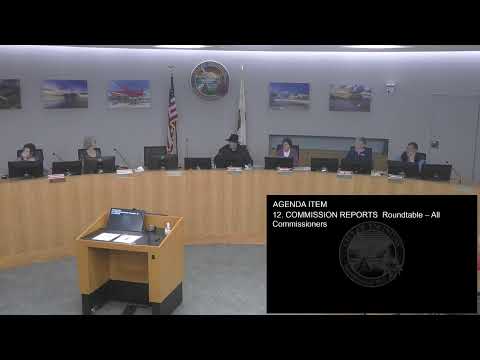
Amy Stuck, founder and secretary of Village Encinitas, told the Encinitas Senior Citizen Commission on Feb. 18 that the grassroots nonprofit launched a pilot in 2023 and is expanding citywide to connect older residents with volunteer services and social programming.
Stuck described villages as “an intentional caring community, grassroots effort led by older adults in a community to provide connections, support, and expertise to help members maintain independence as they age.” She said Village Encinitas formed a planning team, secured nonprofit status in summer 2023, and tested services at High Country Villas, an over-55 community with roughly 400–500 homes.
The group reported roughly 64 dues-paying members, about 16 people on an interest list, and what Stuck described as “approximately 68 service requests” since the pilot began. She said volunteers have provided at least 11 rides, friendly visits, pet care and computer help. Membership costs are $120 a year; Stuck said membership revenue typically covers less than 30% of operations and donations have supported start-up costs such as liability insurance and the platform used to match volunteers with requests.
Commissioners asked about nonprofit filings and service details. Commissioner Gabor asked whether Village Encinitas is a 501(c)(3) and whether it files Form 990; Stuck confirmed both. Commissioner Angel asked whether rides are for medical appointments or social outings; Stuck said both, and that grocery and mechanic-return rides were common. Commissioner Hanwit said the group requires background checks for volunteers and DMV checks for those who drive. Commissioner Stern, joining by phone, questioned requiring volunteers to pay dues; Stuck said dues underwrite insurance and platform fees and that members may pay what they can if $120 is a barrier.
Stuck said the group uses an online platform (Helpful Village) and the sites villageencinitas.org and encinitas.helpfulvillage.com to register members, manage an events calendar and process service requests. She said all members are also registered as volunteers to maintain reciprocal service capacity. Village Encinitas plans a monthly virtual information session and a regular new-member coffee; Stuck said she would drop flyers at a local primary-care clinic and invited the commission to join the village.
The presentation closed with commissioners and staff offering to share contact and informational materials; staff asked for a PDF of the presentation for the commission record.
Village Encinitas’ immediate priorities, as described to the commission, are expanding membership outside the initial pilot, recruiting volunteer leaders and documenting referral pathways when members need services beyond the village’s volunteer capacity.