Get Full Government Meeting Transcripts, Videos, & Alerts Forever!
Get email alerts on the School Audit topic
No spam. Unsubscribe anytime.
Independent audit shows no major system‑level issues; board members press on school fund balances and spending limits
Summary
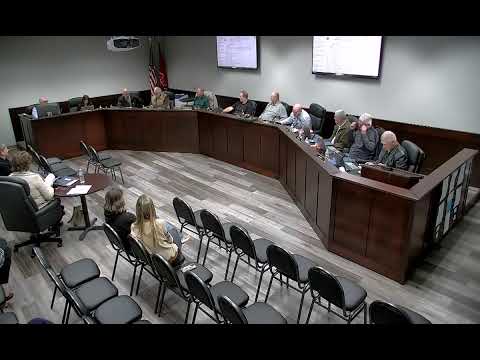
At the meeting the board and the district’s independent auditor reviewed the fiscal‑year 2023–24 school audit, discussed routine findings tied to staff turnover and bookkeeping, and questioned how school‑level fund balances can be used for capital needs such as traffic/parking fixes.
The Smith County School Board reviewed highlights from the independent audit of fiscal year 2023–24 and pressed district staff about repeated findings at some schools, the effects of bookkeeper turnover on audit outcomes and limits on spending school‑level fund balances.
The auditor and district staff said there were no major system‑wide deficiencies in the audit; many findings related to isolated procedural issues at individual schools and to regular transitions when new bookkeepers start. The auditor described the report school‑by‑school: each school’s revenues and expenditures are presented separately to show fund activity for that site.
Why it matters: School‑level fund balances are often built from donations, activity fees and other local receipts; board members asked whether those funds could be redirected to urgent capital needs such as a traffic lane correction at New Milton School and were told restrictions and approval processes limit direct use.
What the auditor and staff told the board The board clarified that the district hires an independent auditor to produce the report. “You’re looking at the revenues and expenditures for that school only. So each school is broken down by what they spent and what they brought in,” said Miss Nora, the independent auditor, during the meeting.
Board members and staff said turnover of bookkeepers at a few schools contributed to repeat findings; newer bookkeepers were described as learning the district procedures and receiving support from central office staff to correct issues. Tamara (district finance staff) was referenced as working with school bookkeepers on remediation.
Use and restrictions of school fund balances Board members asked whether money at an individual school could be used to pay for district projects such as the lane change at New Milton. Staff said school funds are restricted by the purposes donors or fund rules specify and by required accounting procedures. A board member asked whether the board could simply reallocate money from a school’s balance; staff said that money ‘‘is really their money’’ in the sense that it must be spent consistent with donor restrictions and accounting rules and that larger capital work typically requires county approval when the district is delegated by the county.
The district said some schools have unusually large fund balances because of large donor gifts earmarked for specific purposes (for example, playground equipment) and because certain schools have active fundraising or program revenue. That makes comparisons between schools difficult, board members said.
Next steps District staff said they will continue working with new bookkeepers to resolve repeated findings, will review restrictions on school‑level funds when asked about specific capital requests and will return with clarifications about what the board may authorize versus what requires county or donor approval.