Get Full Government Meeting Transcripts, Videos, & Alerts Forever!
Get email alerts on the Public Access Riverbeds topic
No spam. Unsubscribe anytime.
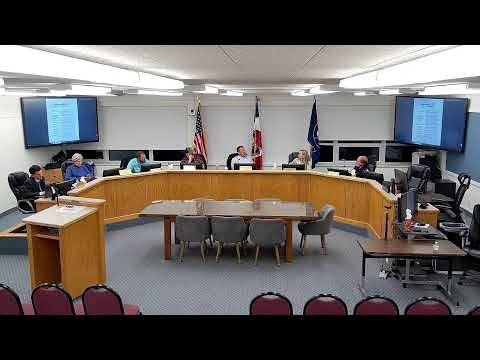
Commissioners discuss bill 386 changes to riverbed access, express concern about private property and navigability standards
Summary
Commissioners discussed proposed changes in "Bill 386" that would change how public access to stream beds is established and would add a "clear and convincing" evidentiary standard to Section 73-29-203.
Commissioners discussed revisions to a pending bill identified in the transcript as "386" that would alter public access rules for stream beds and add evidentiary requirements to establish public recreational access.
A speaker outlined key provisions described in the bill text: an added provision that a person may access or use water on private property for lawful purposes only when the person establishes "clear and convincing" evidence of an easement under section 73-29-203; a clause creating a rebuttable presumption that a stream bed is private property for purposes of access; a requirement that the person claiming public access prove by clear and convincing evidence that the stream bed is owned by a government entity or adjudicated as navigable; and language addressing prescriptive easements and limitations tied to nonuse (a 10-year limit was raised as a concern in discussion).
One participant summarized the dispute over "navigability," noting historical data such as log drives can be used to establish whether a waterway is navigable and that a finding of navigability could transfer ownership of the riverbed to the state. The speaker observed the division of the attorney general's office and other state natural-resources agencies are cautious about making navigability determinations because finding a waterway navigable has consequences for private land ownership.
Commission members and attendees said they had previously taken an opposed position on an earlier version of the bill but that subsequent changes led the county representatives to shift to a monitoring posture. A participant asked whether commissioners wanted representatives to "oppose, approve or monitor" the bill when they attend Utah Association of Counties (UAC) meetings; those representing the county said they were monitoring the bill and would report back with updates.
No formal motion or vote on the bill was recorded during the meeting. Commissioners discussed the tradeoffs between protecting private property rights and maintaining public recreational access; they noted the bill text contains distinctions about incidental touching of private banks, floating vs. wading, and a prescriptive-easement framework.
Speakers encouraged commissioners to follow UAC review and the rural caucus and regional legislative briefings where county representatives and legislators discuss proposed changes. The transcript includes references to UAC lobbyists and staff who engage with the legislature on behalf of counties.