Get Full Government Meeting Transcripts, Videos, & Alerts Forever!
Get email alerts on the Housing topic
No spam. Unsubscribe anytime.
Davis County approves HOME consortium policies and raises rehab grant cap for Habitat for Humanity
Summary
The Davis County Commission approved policies and procedures for the interjurisdictional HOME consortium and amended a Community Development Block Grant agreement to raise the per-home rehabilitation cap for Habitat for Humanity from $10,000 to $15,000; commissioners said no new county funds were requested.
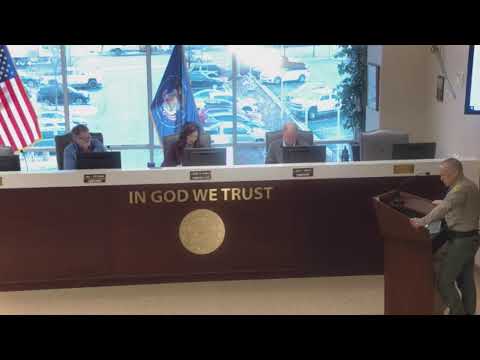
The Davis County Commission on Feb. 18 approved final policies and procedures for the county-led HOME consortium and amended a Community Development Block Grant (CDBG) agreement with Habitat for Humanity to raise the per-home rehabilitation cap from $10,000 to $15,000.
Kent Anderson, director of the county’s Community and Economic Development Department, told commissioners the CDBG amendment covers the 2024–25 program year (term: July 1, 2024–June 30, 2025) and does not request additional county money; it instead changes how existing contract funds may be used. Anderson said Habitat for Humanity has so far assisted one family under the program and asked the county to permit up to $15,000 per participating home to better align with actual rehab costs. "We've limited it to $10,000. They've only been able to participate with 1 family so far. And so what they've asked is we could go up to 15,000," Anderson said.
Separately, commissioners approved the HOME consortium’s policies and procedures, a set of rules governing an interjurisdictional partnership created in 2024 among Davis County, Layton City and Clearfield City. Anderson said Davis County is the lead entity for the consortium and that the county would receive approximately $500,000 per year from the federal HOME program as appropriated by the federal government. The policies set application priorities and establish a review committee, which Anderson said met Dec. 16 and recommended approval. "This is gonna be one of the last pieces," Anderson said of the policies and procedures.
Commissioners moved to approve items 6 and 8 together; the motion was seconded and approved unanimously on the record. The commission record does not show a roll-call vote.
Why it matters: The HOME consortium and CDBG-funded home rehabilitation aim to expand affordable housing and repair owner-occupied homes for low-income residents. Raising the per-home cap is intended to allow completed projects to meet actual repair costs and to leverage additional nonprofit funds.
What’s next: Implementation will follow existing contract terms and the consortium’s application process; Anderson said the review committee and the policies will guide award decisions. The consortium structure means awards and projects will be coordinated among participating cities and the county.