Get Full Government Meeting Transcripts, Videos, & Alerts Forever!
Get email alerts on the Pardons Parole Compensation topic
No spam. Unsubscribe anytime.
Idaho Parole Commission seeks pay increase for commissioners amid staffing concerns
Summary
The Commission of Pardons and Parole asked lawmakers to raise commissioner pay from $300 to $400 per hearing day (subject to statute change), citing rising workloads, extensive unpaid preparation time and anticipated turnover; the commission’s new executive director said she will review processes and models to retain experienced commissioners.
The Idaho Commission of Pardons and Parole told the Joint Finance‑Appropriations Committee on Feb. 4 that it is seeking a statutory increase in commissioner compensation and additional replacement laptops to maintain capacity and retain experienced commissioners.
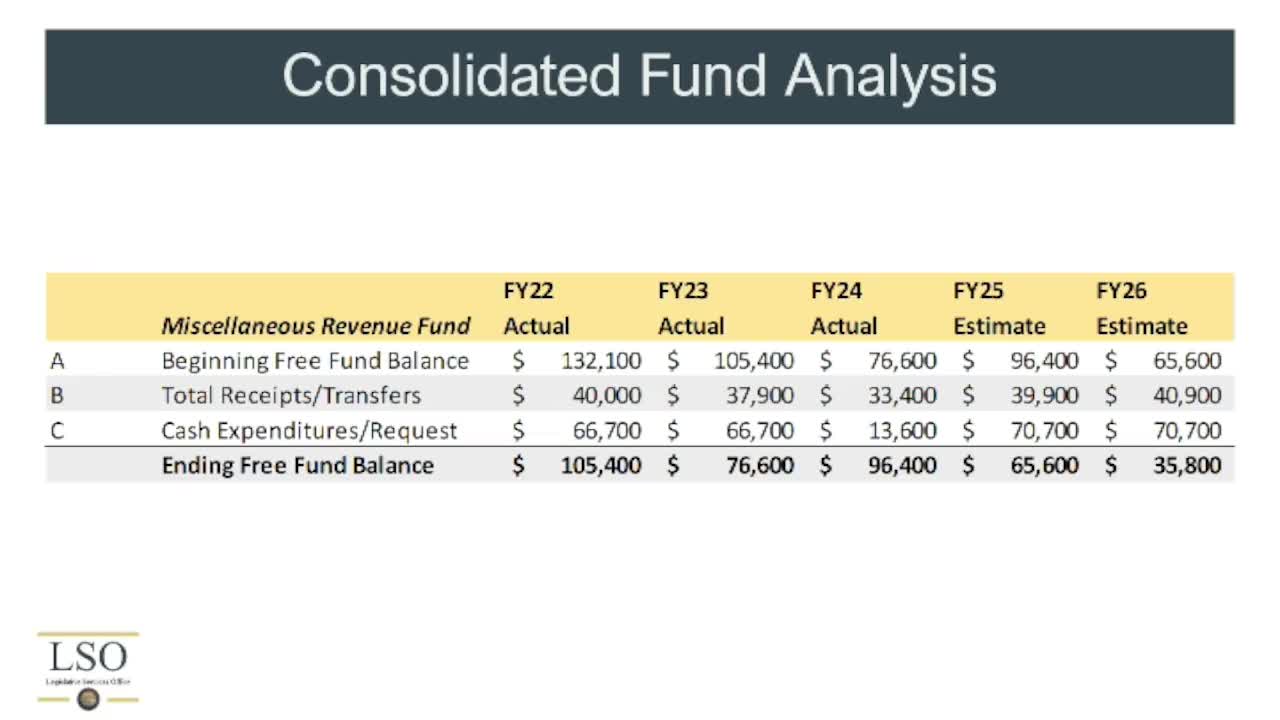
Noah Peterson, budget policy analyst with the Legislative Services Office, told the committee the commission is requesting an ongoing statutory change that would increase daily pay for commissioners from $300 to $400. Peterson said commissioners last received a pay increase in 2017 and that the enhancement would require statutory language to be changed in Idaho Code; the governor recommended the change and identified a fiscal impact of $59,300 if the statutory increase is enacted.
Executive Director Christine Starr, who has served about three months in the role, told the committee the commission schedules hearings roughly three weeks per month and that commissioners are only compensated for time in hearings. She told the committee commissioners typically prepare extensively for hearing days and are not paid for that work. Starr said her calculation showed commissioners effectively spend about 26 hours preparing for five days of hearings — roughly 3.25 unpaid days per hearing week.
Starr told lawmakers the commission is facing substantial turnover and that she expects to lose more than half the commission by December. She described the proposed pay increase as a partial remedy to a broader problem: she said the commission needs a compensation and operating model that matches the workload and the training the role requires.
Starr said the commission is reviewing different parole commission models and will analyze processes to improve decision‑making, transparency and staff support.
The committee did not take action on the request during the hearing. Committee members commended the commission’s work and asked the director to return with additional analysis about the workload, recruitment and models for part‑time versus full‑time commissioners.