Get Full Government Meeting Transcripts, Videos, & Alerts Forever!
Get email alerts on the Employee Compensation 2026 topic
No spam. Unsubscribe anytime.
JFAC approves pay package: $1.55 per hour minimum, targeted raises for troopers, IT, nurses
Summary
The committee approved a compensation package that provides $1.55 per hour per FTE (minimum $1.05), targeted schedule shifts for IT/engineering and public safety, and program‑specific provisions for nursing and community colleges; the motion passed after debate (Senate 8‑2; House unanimous).
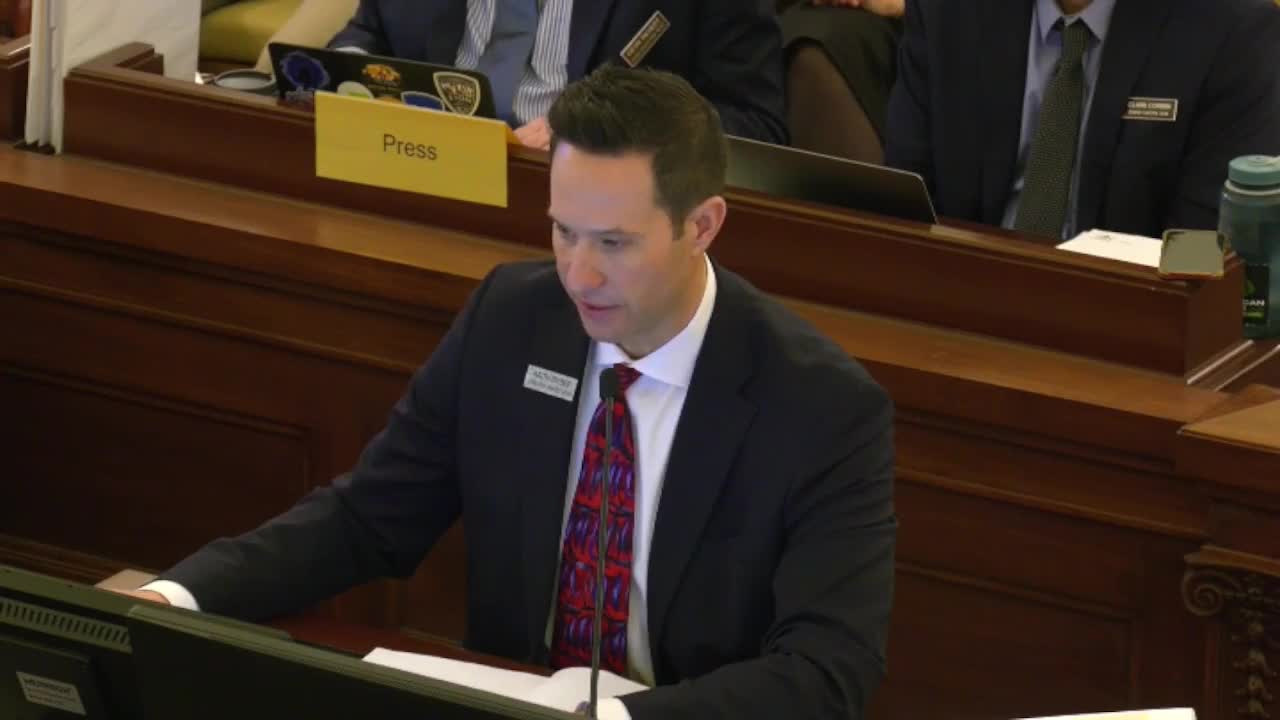
The Joint Finance‑Appropriations Committee on Feb. 6 approved a change‑in‑employee‑compensation (CEC) package that funds a minimum pay increase of $1.05 per hour and provides $1.55 per hour per FTE as a baseline funding level for state agencies and institutions. The package includes program‑specific adjustments for IT and engineering, public‑safety troopers and nursing staff, and funding targeted for community colleges and K‑12.
Representative Miller moved the motion, which the committee described on the record as totaling $177,429,100 across general, dedicated and federal funds. The motion text adopted by the committee directed funding of $84,411,100 to provide $1.55 per hour per permanent employee for state agencies and institutions, $2,305,700 for community colleges, $6,042,800 for salary‑schedule adjustments at the minimum of pay grades, additional funding for Idaho military division parity with federal military compensation, a 4.5% increase targeted to classified and nonclassified IT and engineering workers, funding for Idaho State Police troopers to receive up to an 8% total increase, and funding for nursing and health care positions to receive $1.55 per hour or 3%, whichever is greater. The motion also included $84,669,500 for public schools and the Idaho Educational Services for the Deaf and the Blind.
Debate focused on salary compression and whether the package meaningfully addresses high‑end pay. Senator Ward Engleking, who opposed the motion, said the package failed to address pay for employees earning more than about $64,000 and warned of continued salary‑schedule compression: "I think we're compressing the salary schedule, and I think it's going to continue to cause us problems in the future in retaining state employees and being able to recruit them." Senator Wintrow echoed those concerns and said she could not support the motion. Senator Cook said she would support the motion but criticized its across‑the‑board nature and said it risks rewarding low performance while tying managers' hands; she said, "We're guaranteeing a dollar 5 raise for everyone, regardless of what they do." Senator Woodward likewise supported passage while warning that the approach could limit merit‑based distinctions.
Committee staff walked members through the implementing language that the motion also authorized: agencies must use funding for pay increases and cannot transfer new funding from personnel to other expenditure categories; agencies that use existing resources to provide increases above $1.55 per hour must report those decisions; and the Division of Human Resources and the Office of the State Comptroller were directed to produce a monthly report identifying pay changes.
The committee recorded the vote by roll call. The chair announced the recorded result as Senate 8 ayes, 2 nays and the House unanimous; the committee stated the final tally as 18 ayes, 2 nays. The motion will carry a due‑pass recommendation to the floor.
Why it matters: The package provides the bulk of pay increases for state employees included in the maintenance bills and directs reporting and limits on use of the new funding. Members said it balances cost‑of‑living relief at the bottom of the pay scales with targeted increases for certain recruitment‑challenged occupations, but several members argued it does not resolve long‑term compression issues.
Ending: Committee staff said the approved language and the motion will be included in program‑maintenance packages and on to the floor; staff were asked to compile a list of additional, outside‑the‑CEC requests for the co‑chairs' review.