Get Full Government Meeting Transcripts, Videos, & Alerts Forever!
Get email alerts on the Reentry Community Corrections topic
No spam. Unsubscribe anytime.
Idaho seeks to annualize Pocatello reentry center staffing and expand reentry and treatment services
Summary
The Department of Correction requested annual funding to staff and operate expanded community reentry centers, transitional housing and a pilot for medications for opioid use disorder; lawmakers asked for gap‑analysis details on community treatment capacity.
The Idaho Department of Correction asked the Joint Finance‑Appropriations Committee on Feb. 4 to annualize staff costs at the Pocatello Community Reentry Center and to fund additional community reentry and treatment supports aimed at reducing recidivism.
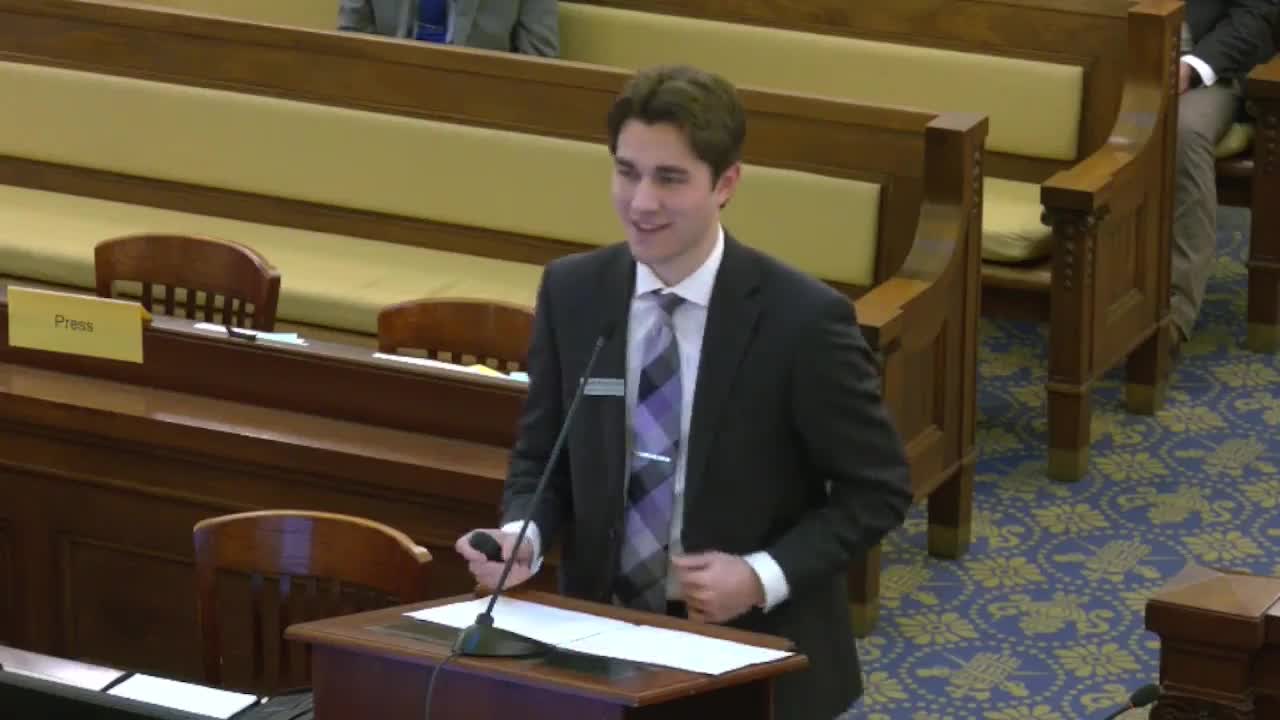
Noah Peterson, budget and policy analyst with the Legislative Services Office, told the committee the community corrections division has 511.35 FTP and requested funding to annualize personnel costs for 17 positions added mid‑year to operate the expanded Pocatello Community Reentry Center. Peterson said the annualized personnel cost for those positions would be $680,700, yielding a total ongoing operating budget for the Pocatello center of about $2.4 million if approved.
The community corrections package also included $750,000 for transitional housing and reintegration supports, $721,200 for expanded drug testing (including fentanyl screening), and a pilot that added two FTP to coordinate medications for opioid use disorder while people are incarcerated and to link community treatment on release.
Director Josh Tewalt and committee members discussed a gap analysis—mapping community behavioral‑health and substance‑use disorder resources against demand. Senator Wintrow asked whether the committee should address the analysis in this part of the budget. Tewalt said the analysis shows “progress being made” and cited growing counts of people receiving mental‑health and SUD services in custody and community settings; he said the gap is narrowing following Medicaid expansion and that several thousand people currently receive mental‑health or SUD services under DOC programs.
Peterson told the committee the division’s base growth averaged 9.7% over five years and noted recent investments included pay increases for parole officers and additional reentry specialist staffing. The governor recommended the department’s requested replacement items and inflationary adjustments.
No formal action was taken during the hearing. Committee members asked for more detail on the gap analysis and on how transitional housing and medication pilots would be measured for effectiveness.