Get Full Government Meeting Transcripts, Videos, & Alerts Forever!
Get email alerts on the Housing Short Term Rentals topic
No spam. Unsubscribe anytime.
Kodiak Assembly advances licensing push for short-term rentals amid housing concerns
Summary
Assembly members and residents debated a proposed borough business-license program for short-term rentals, with staff directed to return with detailed implementation options; no ordinance was adopted.
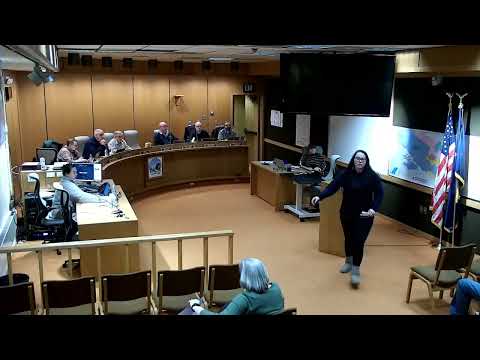
The Kodiak Island Borough Assembly continued a months-long discussion on licensing and regulating short-term rentals, directing staff to return with implementation details and potential code changes before any final action. The proposal would require short-term rental operators to register and obtain a borough business license by July 1, 2025, and could be followed by an ordinance to establish enforcement mechanisms.
The topic drew multiple public commenters and lengthy debate among assembly members about whether licensing would reduce housing pressure or merely add bureaucracy. "The purpose of establishing a short term rental business license is so we can understand how many there actually are in the community," Assemblymember Beau Griffin said, describing draft language he and colleagues circulated as an information-first licensing program rather than an immediate cap on rentals.
Why it matters: Assembly members said the borough lacks a clear count of rentals operating here and therefore cannot assess the sector's effect on housing supply and neighborhood character. Supporters argued a licensing system would level the playing field with other commercial lodging and provide safety standards; opponents warned about added enforcement costs and unclear definitions that could sweep in incidental or occasional home rentals.
Staff presentation and draft language: Borough Manager Amy Williams told the work session the proposal was initiated by Assemblymembers Dave Johnson and Larry Ledoux and asked staff to draft a resolution requiring registration and licensing of short-term rentals, with a July 1, 2025 compliance date. Williams said the packet included draft ordinance language from Assemblymembers Griffin, Sherritt and Whiteside and links to U.S. Census data and other communities' approaches.
Draft licensing elements described in the meeting included: proof of a State of Alaska business license; evidence of an existing operator certificate of registration; a zoning certificate showing the use is appropriate for the property; and commercial insurance coverage. The draft leaves the fee amount blank as a placeholder to cover potential additional staff time. Griffin and other sponsors emphasized the draft did not itself impose occupancy limits.
Key points from the assembly debate: - Supporters, including Griffin and Assemblymember Dave Johnson, said licensing would reveal how many single-family homes have been converted into commercial short-term rentals and would allow the borough to craft proportionate limits later. - Opponents including Assemblymember Larry expressed concern about enforcement difficulty and the potential for undue burden on residents who rent occasionally or operate out of necessity. "If somebody rents a room for two weeks or a neighbor offers a bed to aunt Susie, are they violating the law? I don't know," Larry said. - Members referenced outside research — including studies from Juneau and other coastal communities — that suggest short-term rentals can reduce long-term housing stock, but which also show the relationship is complex and not a sole cause of affordability problems. - Staff noted the borough already has two partial tracking mechanisms: accommodations tax registration (rentals under 30 days) and business personal property accounts; staff proposed exploring ways to combine existing data to reduce duplication.
Public comment: Residents described diverse impacts. Jasmine Gilpin, a homeowner who converted a duplex to short-term rental use after long-term tenancy proved financially unsustainable, said short-term rental income had enabled her to keep a local home. Carlene McChesney and Lena Harrington described cases where housing availability had tightened and urged action; Sid Pruitt called new restrictions "a real bad idea."
Next steps and staff direction: The assembly did not adopt any ordinance. Members asked staff to provide a clearer mapping of how a borough-managed license would overlap with existing city licenses, accommodations tax and business personal property processes; to estimate administrative and enforcement costs; and to return with a recommended draft and implementation plan at an upcoming follow-up work session. Assembly members also discussed potential owner-occupancy limits or restrictions on new non-owner-occupied short-term rentals as a future option.
Ending: No final policy was adopted at the work session. Assemblymembers repeatedly stressed decisions would come at a regular meeting, not a work session, and asked staff to refine the draft licensing language, cost estimates and enforcement options so the assembly can consider a formal ordinance later this year.