Get Full Government Meeting Transcripts, Videos, & Alerts Forever!
Get email alerts on the Archaeology And Tribal Resources topic
No spam. Unsubscribe anytime.
Commission backs updated MEA archaeological guidelines, adds tribal consultation and sensitivity-zone changes
Summary
City staff and a consultant presented revised MEA guidelines for archaeological and tribal cultural resources; the commission voted to forward the draft to City Council after discussion of expanded tribal consultation, updated sensitivity zones and clearer monitoring language.
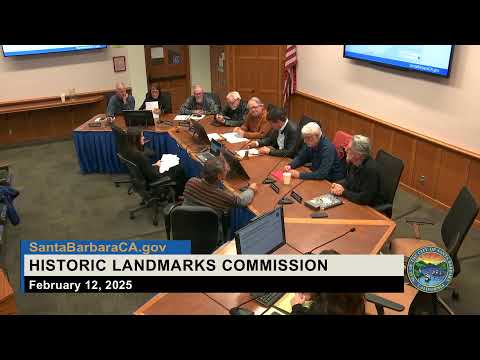
The Historic Landmarks Commission reviewed proposed updates to the Master Environmental Assessment (MEA) guidelines for archaeological resources on Feb. 12 and voted to recommend forwarding the draft to City Council. City environmental analyst Julia Pujot and consultant David Stone presented changes that formalize tribal cultural resource consultation, revise archaeological sensitivity zones, and clarify monitoring and reporting procedures.
Pujot said the archaeological guidelines have been drafted in parallel with the historic resources MEA and that the city proposes separate publications for archaeology and historic resources. She said the draft recognizes tribal cultural resources explicitly and describes a consultation process coordinated with local tribal representatives.
David Stone, the city's consultant on the guidelines, described technical updates to the city’s sensitivity maps. He said survey results gathered over the past two decades have allowed staff to refine the geographic areas where archaeological resources are most likely to occur; some historic-period sensitivity areas were narrowed where research and prior investigations have shown low likelihood of finds, while record areas with documented archaeological sites were retained or expanded. Stone said the guidelines also formalize a Worker Education Awareness Program (WEAP) for sites where tribal representatives request brief briefings for construction crews and the use of focused monitoring when warranted.
Public commenters included archaeologist Brian Bass, who supported the draft but urged pragmatic changes to outreach timetables and clarity around when monitoring is actually required; Heather McDevitt and other local archaeologists praised the document as a strong standard. Several commissioners recommended that staff clarify language about “initial ground disturbance,” monitoring of stockpiles and the timeline for tribal outreach, and Commissioners emphasized the need to preserve flexibility so staff can require a report for unusually large projects outside mapped sensitivity zones.
City staff and consultant Stone said that the draft includes provisions allowing the environmental analyst discretion to require investigations for large or unusual projects even outside mapped sensitivity areas, and staff noted that tribal consultation timelines are intended to be expedited relative to formal government-to-government processes while remaining respectful of tribal decision-making.
After discussion the commission voted to forward the archaeological MEA to City Council for adoption; staff will incorporate minor language clarifications raised in commission comments before submittal.