Get Full Government Meeting Transcripts, Videos, & Alerts Forever!
Get email alerts on the School Fees topic
No spam. Unsubscribe anytime.
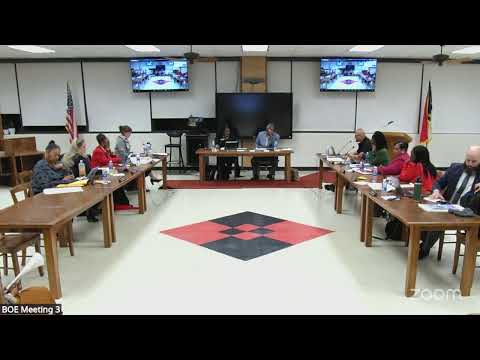
Hoke County High principal details school fees, says fees fund labs, prom and supplies
Summary
Principal Miss Payton explained that school fees cover classroom supplies, lab materials, senior activities and supplemental club expenses; she said about 70% of fees were paid and staff are discussing ways to reduce diploma holds for students with unpaid fees.
The principal of Hoke County High School told the Board of Education the school’s fees support classroom supplies, labs, senior activities and supplemental club costs and addressed board questions about whether unpaid fees can prevent a student from receiving a diploma.
Miss Payton told the board that Hoke County High has charged school fees historically and that this year she increased the fees intentionally to ensure teachers have classroom supplies, labs can run without teachers purchasing materials themselves and senior activities such as prom and senior dinners can be subsidized. She said about 70% of families had paid fees after the increase and estimated "about 500 of 2,000" in one remark when describing current payments collected.
Payton listed items paid from school-fee funds: classroom supplies, lab materials for science courses, art-class supplies for a new art endorsement, IDs and lanyards, senior event costs (prom, white party, picnic, movie night), supplemental club activities, honor cords and diploma portfolios and some supplemental transportation costs. She told the board prom cost for seniors had been reduced from $60 to $40 this year because fees helped defray those expenses. She also said the school pays for maintenance items such as gym-floor cleaning that support physical education classes.
On enforcement, Miss Payton said historically students with unpaid school fees have been prevented from receiving diplomas, and that the district has been discussing that practice. When asked whether any fees would cause a student not to receive a diploma, a meeting speaker summarized that historically unpaid fees could block a diploma; Payton said the district is examining alternatives and that confidential hardship assistance is available through the school social worker. She noted the school receives donations, sometimes in April, that are applied to outstanding fees for students in need.
Payton also cited a concrete example: a JROTC uniform not returned or paid for can add $575 to a student’s school-fee balance because unit tracking treats the uniform as a charge recoverable through school fees. She said the school had purchased spare Chromebook chargers earlier in the year to address students who had a Chromebook but no charger.
Board members asked whether district funds or other sources might reduce fee balances; Payton and the superintendent said budget reviews were ongoing and that any budgetary solutions would be clearer after April. She encouraged families with hardship to work confidentially with the social worker.
No policy change was adopted at the meeting; the item provided information and produced follow-up questions about diploma holds and possible budget measures to reduce fees for students in need.