Get Full Government Meeting Transcripts, Videos, & Alerts Forever!
Get email alerts on the Strategic Planning topic
No spam. Unsubscribe anytime.
Beacon superintendent outlines plan to merge board goals and strategic plan, increase budget transparency
Summary
Superintendent Matt previewed a proposal to align board goals with the district strategic plan, add sustainability as a foundational belief and publish short, measurable supporting plans tied to the instructional budget and the district website ahead of summer.
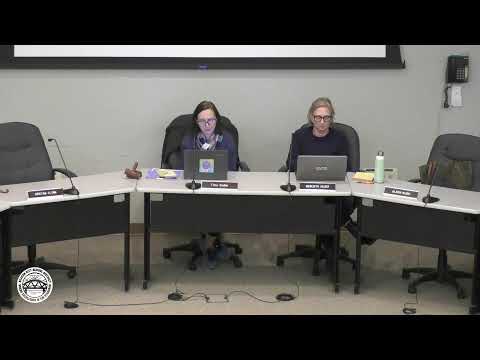
Beacon City School District Superintendent Matt on Feb. 10 previewed a proposal to align the board's goals with the district strategic plan and publish short, measurable supporting plans so the public can see how budget requests link to instructional priorities.
The plan would compress multiple goal statements into four district focus areas—academic excellence; culture of care; community outreach and communication; and fiscal/facilities/human resources—while making diversity, equity and sustainability underpinning beliefs, Matt said. He described one- to two-page supporting plans for each focus area that would be posted on the district website before its planned summer redesign.
Matt told the board the change is intended to remove overlapping language between board goals and strategic-plan pillars and to make work already under way more visible. "Diversity, equity, and sustainability are the foundation of all of our work," he said, and proposed moving sustainability into the set of belief statements that underlie every focus area.
Under the proposal, each focus area would have short, public-facing plans with measurable data points the board and community can use to track progress. Matt cited reading, math, multi-tiered student support, special education, curriculum changes tied to new graduation requirements, professional development and technology among items that would be summarized under an academic-excellence section. He said the district would avoid lengthy reports and instead post brief, readable overviews with links to required state documents when necessary.
Matt also framed the proposal as part of this year’s budget process. He asked that budget presentations include explicit plans showing how requested positions or resources would be used—examples included the case of adding a math support teacher or two reading teachers—so the board and community can see the rationale and implementation approach before votes.
Board members asked how metrics and cadence would work. One board member said shorter lists of four umbrella focus areas would help set priorities and permit the board to schedule regular reviews. Another member stressed the instructional budget is the district’s largest and said more transparent presentation of class sizes, interventions and resource allocation could help the board and public evaluate trade-offs.
Several board members emphasized professional development and curricular alignment as central to supporting teachers within existing staffing levels. One board member said targeted, sustained professional development tied directly to adopted curriculum supports classroom practice more than episodic consultant visits.
Matt proposed early items on the budget calendar: athletics and a transportation/facilities discussion on March 10 (including a middle-school schedule review), prekindergarten and pupil-personnel services on March 24, and instructional programs and technology on April 10. He said the district’s new website, planned for this summer, should host the supporting plans and regular updates.
The superintendent asked board members for feedback over the coming weeks and said staff would present draft supporting plans during the budget presentations this spring.