Get Full Government Meeting Transcripts, Videos, & Alerts Forever!
Get email alerts on the Roads Maintenance topic
No spam. Unsubscribe anytime.
Roads report: Faulkner County details snow response, proposes adopt-a-road pilot
Summary
Faulkner County roads staff described snow- and flood-response work and proposed a pilot adopt-a-road program for county roads; the committee supported testing the program with two early volunteer organizations.
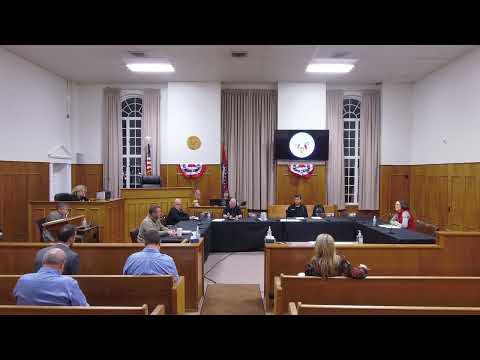
Faulkner County roads staff told the Infrastructure Committee how crews responded to a recent snow and follow-up flooding event and presented an adopt-a-road pilot program that the county plans to test with two interested organizations.
Tom Anderson, speaking for county roads operations, described the winter response: crews applied 16,000 gallons of salt brine, plowed 34 roads, spread 240 tons of sand and 52 tons of salt, and used calcium chloride by hand on steep or slick stretches that trucks could not safely reach. The county also reported clearing fallen trees and placing barricades on impassable routes; staff said they cannot prevent drivers from bypassing barricades and that some motorists become stuck and require rescue.
Anderson said the road shop has been working to convert institutional knowledge about problem spots into spreadsheets and preplanned roadblock placements so crews can respond faster in future storms. He also said the roads team is coordinating with local school districts to identify critical bus routes so the county can prioritize clearing those routes when possible.
The adopt-a-road proposal would allow businesses, families, non-profits and other local groups to sign agreements to adopt sections of county roads. The pilot would include safety requirements—reflective vests, gloves and trash bags provided by the county—and the county would provide adoption signage after groups demonstrate initial participation. Anderson estimated the up-front material costs (signs, vests, gloves, trash bags) are modest; the transcript records that a typical sign costs about $100 for each end of a section. If maintenance costs grow substantially, staff said they would return to committee to discuss a possible budget line.
Committee members expressed broad support for piloting the program. Several Justices recommended consulting existing municipal or sanitation adopt-a-road programs to learn about mapping and volunteer safety; Anderson said the pilot will start with the two organizations that have already reached out so the county can work through operational issues before wider promotion.
No ordinance or resolution was proposed at the meeting; staff characterized the adopt-a-road item as a program-development discussion and said formalization would come later if the pilot shows demand and manageable costs.