Get Full Government Meeting Transcripts, Videos, & Alerts Forever!
Get email alerts on the Resilience Planning topic
No spam. Unsubscribe anytime.
Williamsburg Council hears proposal to use RAFT resilience tool; universities offer year-long implementation support
Summary
A multi-university team outlined the Resilience Adaptation Feasibility Tool (RAFT) for Williamsburg on Feb. 10, describing a three-step process—assessment, community workshop and a year of implementation—backed by NOAA and the Virginia Environmental Endowment.
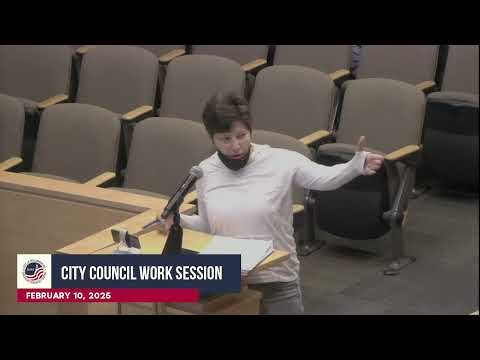
The Williamsburg City Council on Feb. 10 heard a presentation on the Resilience Adaptation Feasibility Tool, or RAFT, a multi-university program that the presenters said can help the city assess climate, infrastructure and community-vulnerability needs and carry priority projects through a year-long implementation period.
The RAFT team, led by Dr. Wendy Stout of Virginia Tech and joined by Dr. Jessica Whitehead of Old Dominion University, Dr. Elizabeth Andrews of the University of Virginia and Ben McFarland of the Hampton Roads Planning District Commission, described a three-step process: an evidence-based scorecard assessment (now through May), a community “resilience action checklist” workshop (targeted for August) and a year of implementation in which university staff support monthly local implementation teams.
"The RAFT is a comprehensive framework designed to help communities build resilience against a range of challenges," Dr. Wendy Stout, coastal director at Virginia Tech, said. "It is deeply community driven...we work directly with local leaders, stakeholders, and residents to co-develop strategies that align with their priorities." Dr. Jessica Whitehead added that the initial assessment will use existing local documents (for example, the comprehensive plan and the regional hazard mitigation plan), together with focus groups and interviews, to produce a score that helps identify projects the community can move forward in a year.
Presenters said the RAFT has been refined over a decade and has worked with coastal and inland localities, tribal nations and regional planning commissions. Examples given to council included shoreline mapping and erosion options, green-infrastructure/tree-canopy projects, emergency-communications improvements and targeted small-business resilience planning. The presenters said the National Oceanic and Atmospheric Administration’s Coastal Zone Management Program is funding the current scorecard phase, and that implementation funding in other sites has involved the Virginia Environmental Endowment.
Ben McFarland, who the presenters identified as a partner from the Hampton Roads Planning District Commission, said the PDCs bring local experience and are RAFT implementation partners. Presenters said RAFT emphasizes working from existing local plans and hazard-mitigation analyses to create an “opportunity list” of projects and that staff will be asked to provide documents and a stakeholder list to support the assessment phase.
Council members asked whether RAFT results would be folded into the regional hazard mitigation plan; the team said RAFT uses the hazard mitigation plan and the comprehensive plan as inputs and that communities typically choose priorities largely drawn from those existing sources. The team described an approximate 18-month total engagement (assessment, workshop and one year of implementation support) and said they will work with local staff to ensure findings reflect local knowledge before public presentation.
Council did not take a formal vote on program enrollment during the work session; presenters said the RAFT team will follow up with city staff on document needs and scheduling for the assessment phase.
The RAFT presenters left contact information and offered to answer follow-up questions by email. Council members thanked the team and said they would consider pursuing the assessment as part of the city’s upcoming comprehensive-plan review cycle.