Lifetime Citizen Portal Access — AI Briefings, Alerts & Unlimited Follows
Committee advances anti‑SLAPP bill to protect First Amendment participation
Loading...
Summary
The Corporations, Elections & Political Subdivisions Committee voted to pass House Bill 223, a measure creating qualified immunity and expedited procedures to dismiss lawsuits filed to limit participation in matters of public importance.
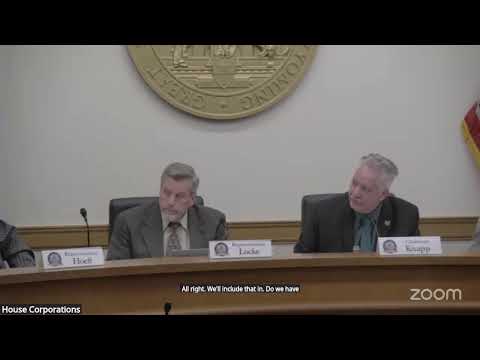
The Corporations, Elections & Political Subdivisions Committee voted to pass House Bill 223, “preventing strategic lawsuits against public participation,” advancing the measure out of committee after sponsor and public testimony and several amendments.
The bill would create a qualified‑immunity procedure for defendants sued over exercise of rights protected by the First Amendment, allow an immediate appeal of denials of immunity motions, permit limited discovery to support immunity motions, require payment of costs and reasonable attorney fees to a prevailing defendant, and provide statutory damages “of no less than 10,000” to a successful movant. The bill as introduced also included a provision allowing a Wyoming resident sued in another state to recover attorney fees in Wyoming if the SLAPP protections would have applied at home; the sponsor and witnesses discussed that portability feature as a deterrent to forum shopping.
Sponsor Representative Pepper Ottman told the committee, “The acronym SLAPP, s l a p p, stands for strategic lawsuits against public participation. This bill would protect First Amendment rights of Wyomingites.” Colin Crossman, who presented with the sponsor, said the measure was intended to apply to both natural persons and entities and described an amendment to make that explicit: “We’ve discussed an amendment . . . to make absolutely and abundantly clear that this anti SLAPP statute applies to, natural persons and entities.”
Supporters and opponents both testified. The transcript includes a letter from an organization identified as the First Amendment Lawyers Association (FALA) urging passage as a protection for free expression and for potential economic development benefits. Jessie Rubino of the State Freedom Caucus Network testified in strong support, urging the committee not to narrow the bill’s coverage. Attorney Mark John Randaza, who said he has litigated anti‑SLAPP cases nationally, argued the bill’s broader language — including application to pending actions and a portability remedy — was appropriate and would make Wyoming’s protections attractive to businesses and residents.
Several witnesses raised drafting concerns. Beth Lance, appearing for the Wyoming Bridal Lawyers Association, said language in the draft that would apply the statute to “all actions” and to foreign jurisdictions was “very broad” and could lead to constitutional challenges in some states; she recommended narrowing or clarifying that language. Committee members and witnesses discussed examples of how the statute would operate, the burden for a defendant invoking immunity, and the bill’s interaction with federal courts.
Committee amendments altered the bill’s applicability and clarified definitions. Minority Leader Yin moved — and the committee adopted — an amendment striking the words ‘‘pending’’ and the specified date and making the act effective immediately. Representative Lucas offered, and the committee adopted, a definition change to ensure the term “person” covers entities; the committee ultimately cross‑referenced the Title 8 statutory definition rather than restating it.
After debate and amendments, the committee took a roll‑call vote. The record shows the committee approved the bill 9–0: Representatives Brown, Locke, Heft, Johnson, Lucas, Webb, Weber, Yin and Chairman Knapp voted aye. With that tally, House Bill 223 passed the committee as amended.
The transcript records the matters discussed and the amendments adopted; the measure will move forward from committee under the legislature’s schedule.